Easy vegetarian recipes with frozen vegetables
Let’s get one thing straight: frozen vegetables aren’t a compromise. They’re a strategy.
Most frozen veggies are flash-frozen within hours of harvest, which means they often retain more nutrients than the “fresh” stuff that’s been sitting in a truck for a week. They’re cheaper, they last longer, and they’re already prepped. No washing, no chopping, no watching spinach wilt in your crisper drawer while you figure out what to do with it.
These recipes lean into what frozen vegetables do best. We’re not trying to make them taste fresh. We’re using cooking methods that play to their strengths: soups, stir-fries, baked dishes, and one-pan meals where texture matters less than flavor.
1. Coconut curry with frozen mixed vegetables
This is my go-to weeknight dinner when I’ve got nothing planned. A bag of frozen mixed vegetables, a can of coconut milk, and some curry paste. That’s the foundation.
The key is letting the curry simmer long enough for the vegetables to absorb the sauce. Frozen veggies release water as they cook, which can dilute your curry if you’re not careful. Start with less liquid than you think you need, then adjust.
Sauté some onion and garlic first, add your curry paste and let it bloom in the oil for a minute. Then dump in the frozen vegetables, pour in the coconut milk, and let everything bubble together for 15-20 minutes. Serve over rice. Done.
2. Crispy frozen broccoli stir-fry
Here’s something most people don’t realize: you can get frozen broccoli crispy. The trick is high heat and not overcrowding the pan.
Thaw the broccoli first by running it under warm water, then pat it completely dry. This step matters. Any excess moisture will steam the broccoli instead of searing it. Get your wok or largest skillet screaming hot, add oil, and cook in batches if needed.
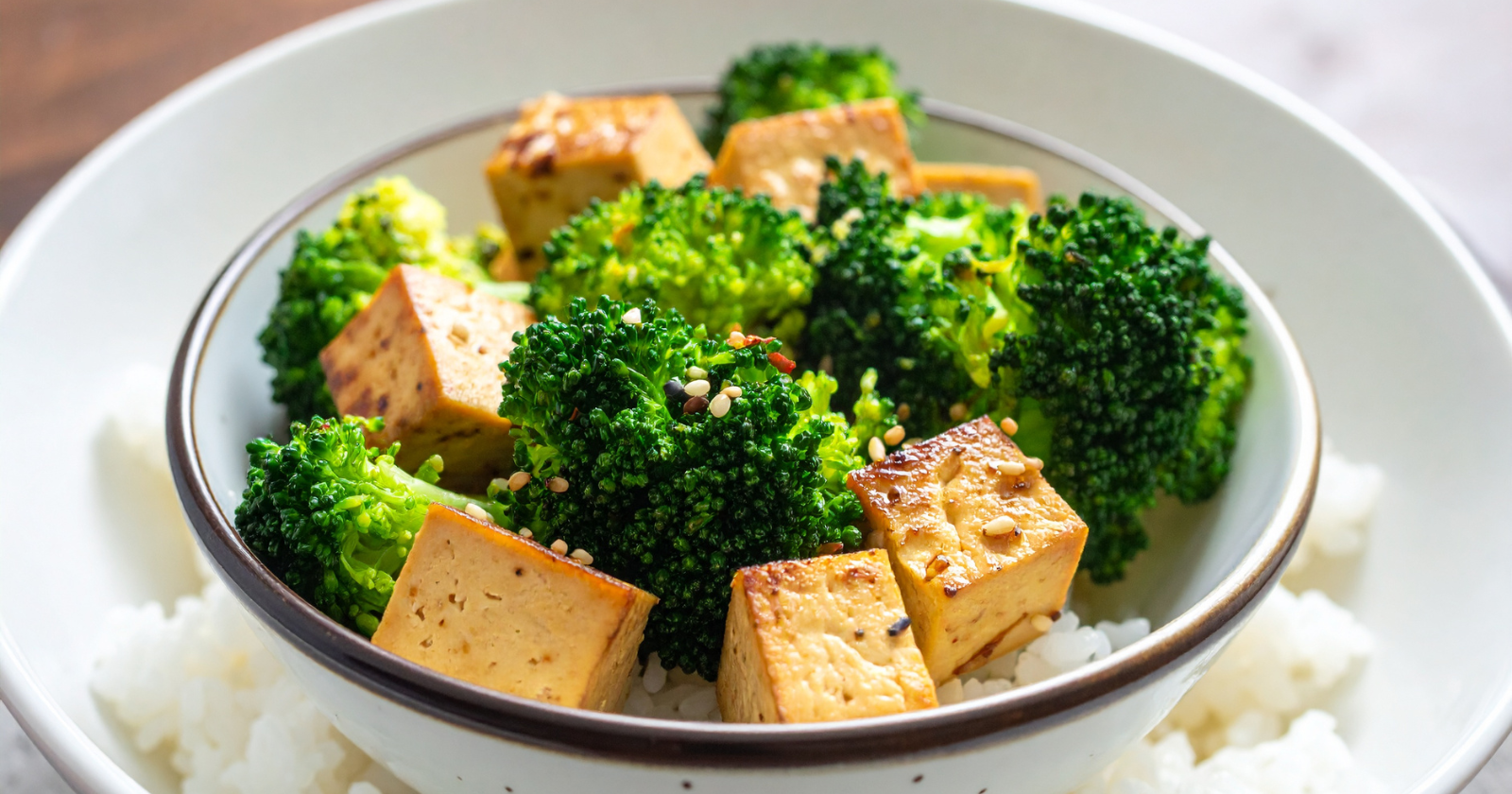
Toss with soy sauce, sesame oil, garlic, and a pinch of sugar at the very end. The broccoli should have some char on the edges. Add some crispy tofu and you’ve got a meal that takes maybe 15 minutes total.
3. Loaded frozen spinach quesadillas
Frozen spinach is one of the most underrated ingredients in any freezer. It’s concentrated, it’s cheap, and it disappears into almost anything.
Thaw a block of frozen spinach and squeeze out every drop of water you can. Mix it with cream cheese, shredded cheddar, a little cumin, and some pickled jalapeños. Spread that mixture on a tortilla, fold it, and cook in a dry skillet until both sides are golden and crispy.
The filling is creamy, slightly spicy, and packed with more greens than you’d ever eat raw. Serve with salsa and sour cream. My nephews request these constantly, which tells me they work for picky eaters too.
4. Sheet pan roasted frozen vegetables with chickpeas
Roasting frozen vegetables sounds wrong, but it works beautifully if you follow one rule: spread everything in a single layer and don’t touch it for the first 15 minutes.
Toss frozen cauliflower, Brussels sprouts, or a Mediterranean blend with olive oil, salt, and whatever spices you like. I usually go with smoked paprika and cumin. Add a drained can of chickpeas for protein. Roast at 425°F until the edges are caramelized and slightly crispy.
The high heat evaporates the moisture quickly, so you get browning instead of steaming. Drizzle with tahini or a squeeze of lemon before serving.
5. Creamy frozen pea and mint pasta
Frozen peas might be the perfect frozen vegetable. They’re sweet, they cook in minutes, and they blend into the smoothest sauce you’ve ever made.
Cook your pasta. While it’s boiling, blend half a bag of frozen peas with some fresh mint, parmesan, a splash of pasta water, and a glug of olive oil. Reserve the other half of the peas whole.
Toss the hot pasta with the sauce and the whole peas. The contrast between the creamy blended sauce and the pop of whole peas makes this dish interesting. Add more parmesan on top and eat immediately.
6. Frozen vegetable fried rice
I’ve mentioned this before, but the secret to good fried rice is using cold, day-old rice. The grains need to be dry so they fry instead of steam.
Get your wok hot, scramble some eggs and set them aside. Add oil, then your frozen vegetable mix. Peas, corn, carrots, whatever you have. Let them cook without stirring until they start to brown. Add the cold rice, break it up, and let it sit against the hot pan to get crispy.
Soy sauce, a little sesame oil, and the eggs back in. Toss everything together. This is the kind of meal that clears out your freezer and tastes better than takeout.
7. Hearty frozen vegetable minestrone
Soup is where frozen vegetables truly shine. Texture becomes irrelevant when everything is simmering in broth.
Start with onion, celery, and garlic. Add canned tomatoes, vegetable broth, and whatever frozen vegetables you have. Italian blend works great, but so does a random mix of green beans, corn, and peas. Throw in some canned beans and a handful of small pasta.
Let it simmer until the pasta is cooked and the flavors have melded together. Finish with a parmesan rind if you have one, or just grate some cheese on top when you serve it. This makes enough for lunches all week.
The bottom line
Frozen vegetables aren’t about cutting corners. They’re about being realistic.
Not everyone has time to shop for fresh produce every few days. Not everyone lives near a good grocery store. And honestly, not every meal needs to be a showcase for peak-season farmers market finds.
These recipes work because they meet frozen vegetables where they are. They use techniques that account for extra moisture, they layer in enough flavor to make texture secondary, and they come together fast enough to actually get made on a Tuesday night.
Stock your freezer. You’ll thank yourself later.