
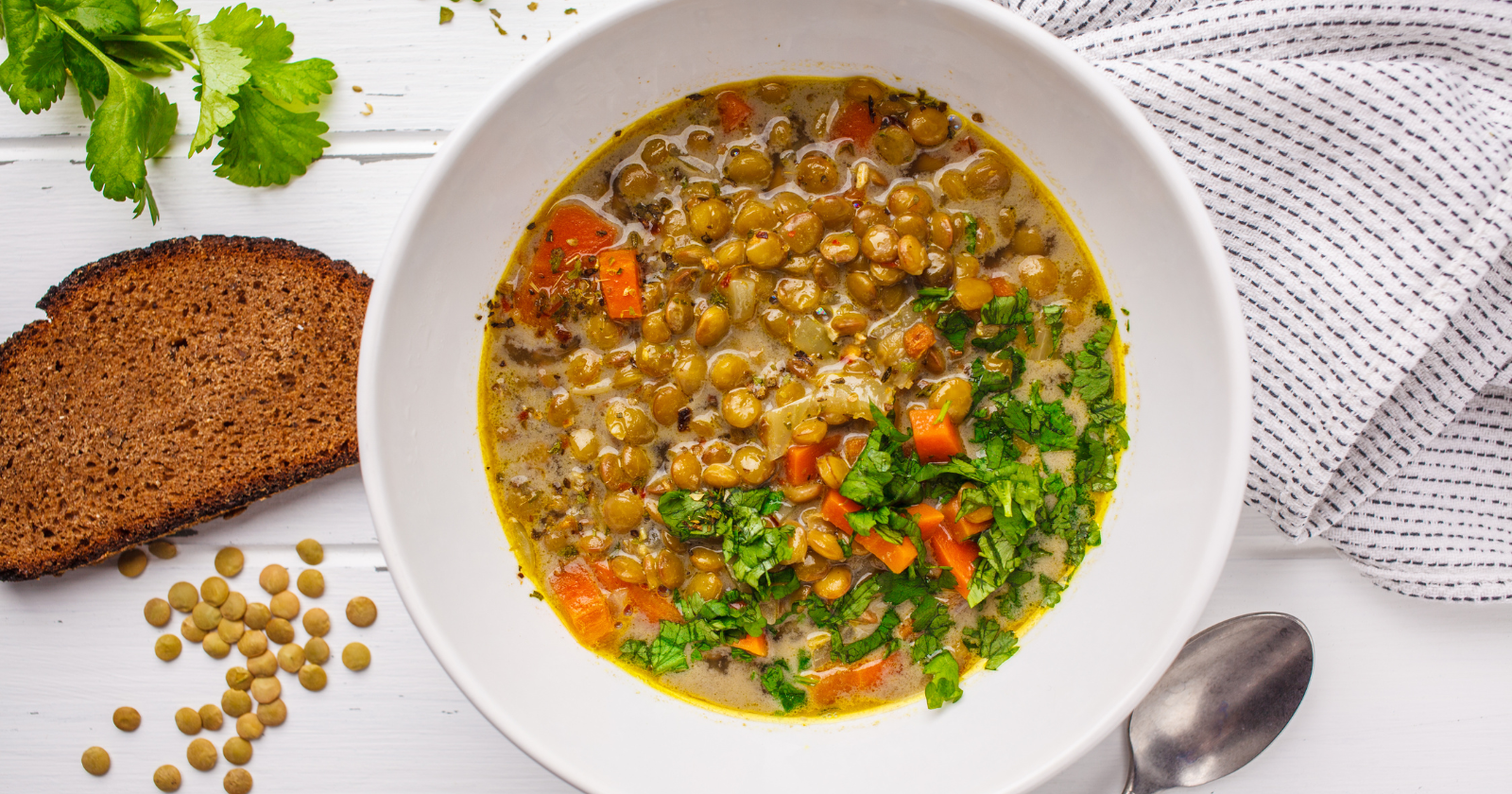
How to turn one bag of lentils into four completely different meals this week — and spend less than you think doing it
Last week I watched someone at the grocery store put back a bag of lentils after checking the price on a pack of chicken. The comparison isn’t even close anymore. While protein prices keep climbing, that humble bag of lentils sitting in your pantry costs about three bucks and can anchor your entire week of meals.
Most people look at lentils and see one thing: soup. Maybe dal if they’re feeling adventurous. But that single bag can become the foundation for completely different cuisines, textures, and flavor profiles throughout your week.
The trick isn’t just knowing the recipes. It’s understanding how small tweaks to the same base ingredient can satisfy different cravings without breaking your budget or your brain.
Why lentils work harder than you think
Red lentils, green lentils, black beluga lentils – they’re all workhorses, but let’s focus on the everyday brown or green varieties you’ll find anywhere. One cup dry gives you about 24 grams of protein and costs less than a dollar. They cook in 20 minutes without soaking. They absorb whatever flavors you throw at them.
But here’s what most people miss: lentils change personality based on how you treat them. Cook them just until tender and they hold their shape for salads. Push them further and they become creamy for curries. Mash them and suddenly you’ve got burger patties or fritters. Same ingredient, completely different results.
I learned this flexibility from observing different cooking approaches. The same batch of cooked lentils can be used three different ways in a single day. Morning dosa batter, afternoon sambar, evening dry curry. Nothing fancy, just smart cooking that stretched ingredients without feeling repetitive.
The base batch that changes everything
Sunday afternoon, cook the entire bag. Two cups of dried lentils, six cups of water, a bay leaf, and some salt. That’s it. No need to overthink this part. Bring to a boil, reduce to simmer, partially cover, and walk away for 20 minutes.
You’ll end up with about five cups of cooked lentils. Drain them, but save that cooking liquid. It’s basically free vegetable stock loaded with nutrients and flavor. Store the lentils in one large container or divide them into portions. They’ll keep for five days in the fridge.
This single batch becomes your canvas. The beauty of batch cooking isn’t just efficiency. It’s the mental freedom of knowing your protein base is handled. When you’re exhausted on Wednesday night, you’re just 15 minutes away from a real meal.
Monday’s Mediterranean power bowl
Take two cups of your cooked lentils. While they warm in a pan with olive oil and minced garlic, chop whatever vegetables are lurking in your crisper. Cucumber, tomatoes, bell peppers – nothing needs to be perfect.
Toss the warm lentils with the raw vegetables, add crumbled feta if you have it, a handful of olives, fresh herbs if they exist in your fridge. The dressing is just lemon juice, olive oil, and dried oregano shaken in a jar. This isn’t about following a recipe precisely. It’s about understanding that warm lentils plus fresh vegetables plus bright acid equals satisfaction.
The whole thing takes ten minutes and costs maybe two dollars per serving. You’re getting complete protein, raw vegetables for enzymes and fiber, healthy fats from the olive oil. More importantly, you’re eating something that feels abundant rather than restrictive.
Wednesday’s spiced curry situation
Different continent, different meal, same lentils. Heat oil in a pan, add whatever curry spices you own. Cumin seeds, mustard seeds, turmeric, garam masala – work with what you have. Add a chopped onion, some garlic, ginger if you’re feeling it.
Once everything smells amazing, add a can of coconut milk and two cups of your lentils. Let it bubble for ten minutes. Throw in some spinach at the end if you want vegetables. Serve over rice or with flatbread.
This meal hits different emotional notes than Monday’s fresh bowl. It’s warming, comforting, rich. The lentils break down slightly in the coconut milk, creating a creamy texture without dairy. You’re using the same base ingredient but feeding a completely different craving.
Friday’s crispy fritter transformation
By Friday, you want something that feels like a treat. Take a cup and a half of lentils, mash them roughly. You want some texture, not baby food. Mix in an egg or flax egg, breadcrumbs, whatever spices sound good. Form into patties or balls.
Pan-fry until crispy outside, warm inside. Serve them in pita with yogurt sauce, over salad, or just eat them standing at the stove with hot sauce. They scratch that fried food itch without the guilt or expense of takeout.
The transformation here is both physical and psychological. These don’t read as “healthy lentils” anymore. They’re crispy, satisfying, handheld food. Kids will eat them. Friends won’t know they’re lentils unless you tell them.
Sunday’s soup reset
You’ve got about half a cup of lentils left. Sunday soup practically makes itself. Sauté carrots, celery, onion in olive oil. Add your remaining lentils, that saved cooking liquid from last week, a can of tomatoes, whatever vegetables need using up.
This isn’t precious cooking. It’s practical, nourishing, and costs almost nothing. The soup gets better as it sits, perfect for lunch during the upcoming week. You’re using every last bit of your initial investment, including the cooking water most people pour down the drain.
The bigger picture of simple abundance
When I moved toward minimalism in my early thirties, it wasn’t about restriction. Complicated recipes and overflowing pantries were making my mind noisy. Focusing on simple ingredients that could shape-shift throughout the week created space for other things.
This approach to lentils is really about changing your relationship with cooking and money. You’re not eating the same meal four times. You’re using one affordable ingredient as a launching pad for variety.
The financial impact compounds quickly. Spend fifteen dollars on ingredients for these four meals instead of sixty on takeout. That’s over two thousand dollars saved annually.
But the real shift happens in your kitchen confidence. Once you understand how to manipulate texture, temperature, and spice to transform basic ingredients, every bag of dried beans, every grain, every vegetable becomes potential instead of limitation.
Making this work in your real life
Start with just the base batch this week. Don’t pressure yourself to make all four meals immediately. Cook the lentils, try one recipe, see how it feels. Build from there.
Keep your spice drawer stocked. Different spice combinations transport the same ingredients across continents. Indian spices one day, Italian herbs the next, Mexican chilies after that.
Remember that cooking liquid. It’s liquid gold for soups, for cooking grains, for anything that needs more flavor than plain water provides.
Don’t get precious about following recipes exactly. These meals are frameworks, not rules. Hate coconut milk? Use tomatoes in the curry. No breadcrumbs? Crush up crackers for the fritters. Cooking with constraints breeds creativity.
This isn’t about perfect meal prep or Instagram-worthy bowls. It’s about proving to yourself that eating well doesn’t require complicated recipes or expensive ingredients.
One bag of lentils, a few supporting players, and some basic techniques can feed you beautifully all week. The freedom that comes from that knowledge is worth more than any fancy meal kit or restaurant delivery.


