
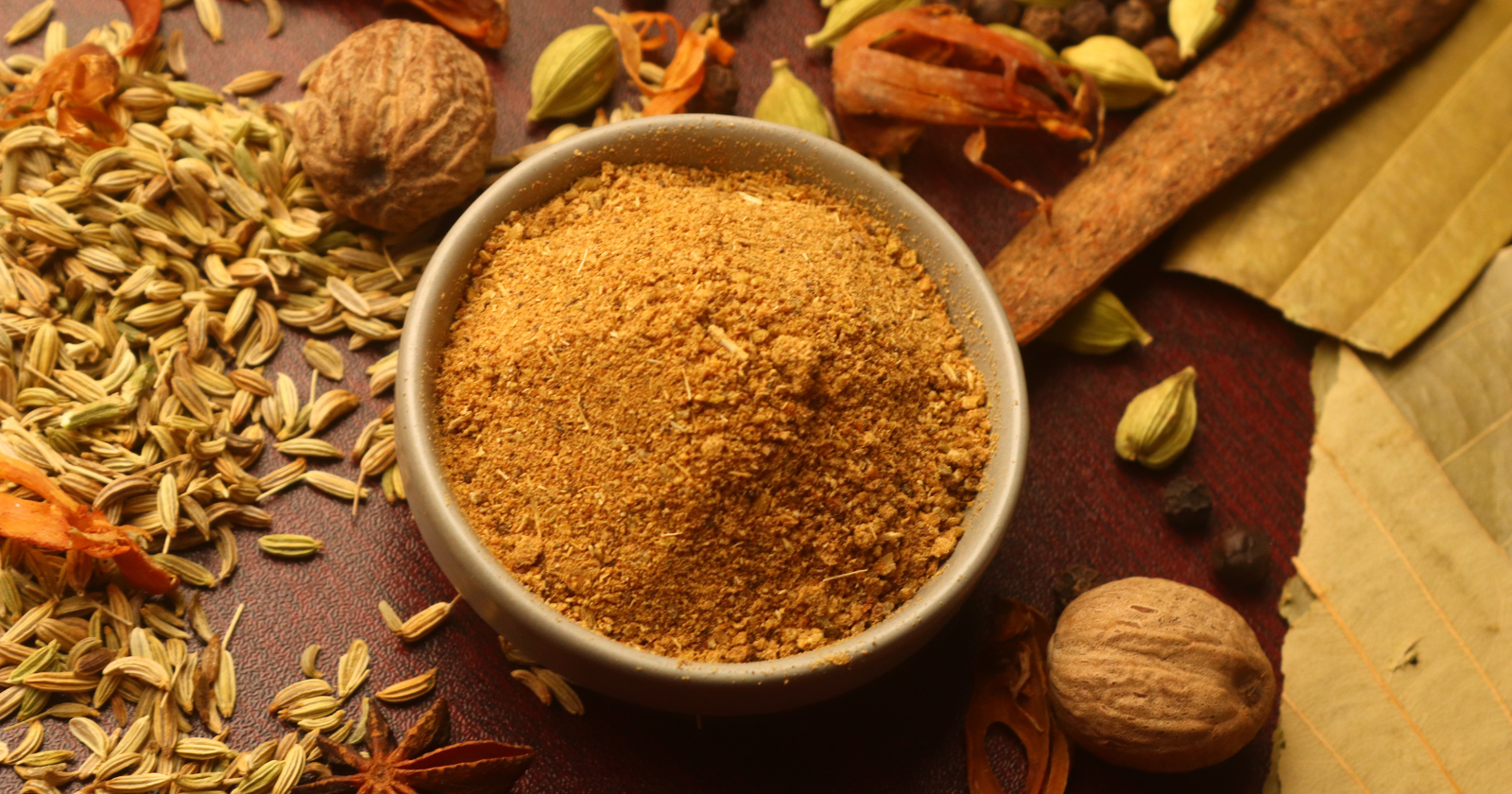
The spice blend that transforms a boring weeknight dinner into something that tastes like it took all day — and it’s probably already in your cupboard
Last month I found myself staring into the fridge at 7pm, exhausted from work, with nothing but some chickpeas, half a cauliflower, and a lonely sweet potato.
My husband was heading home from a particularly brutal day, and I wanted to make something that would feel like a warm hug on a plate. Not another rushed stir-fry or basic roasted vegetables.
Then I remembered something a street vendor taught me years ago. He’d taken a handful of ordinary spices, toasted them in his palm over the flame, and transformed a simple potato curry into something that made me close my eyes and forget I was sitting on a plastic stool in 40-degree heat.
That memory saved dinner that night, and it’s been saving my weeknight meals ever since.
The secret isn’t some exotic ingredient you need to hunt down at specialty stores. It’s garam masala, and there’s a good chance you’ve already got a jar sitting in your spice rack, probably pushed behind the paprika you use twice a year.
Why this one spice blend changes everything
Garam masala translates to “warm spice mixture,” but that undersells what it actually does to food. It’s like the difference between watching a movie in black and white versus full colour. The blend typically combines cinnamon, cardamom, cloves, cumin, coriander, and black pepper, though every family in India has their own version.
What makes it magical for weeknight cooking is that it adds layers of flavour that usually come from long, slow cooking. You know that depth you get from a soup that’s been simmering all Sunday afternoon? Garam masala gives you a shortcut to that complexity in about 20 minutes.
The spices work together to hit different parts of your palate. The cinnamon brings sweetness without sugar. The cardamom adds an almost floral note that lifts heavy ingredients. The cloves and pepper provide warmth that builds gradually. Together, they create the illusion that you’ve been layering flavours for hours.
I’ve started thinking of it like compound interest for cooking. Each spice multiplies the effect of the others, so you get exponential returns on minimal effort. That’s the kind of efficiency that appeals to both the cook in me and the part that’s always looking for life hacks.
The technique that unlocks its full potential
Here’s where most people go wrong with garam masala. They dump it in with the wet ingredients and wonder why their food tastes dusty. The key is blooming it in fat first, a technique that takes thirty seconds but makes all the difference.
Heat a tablespoon of oil or ghee in your pan. Add a teaspoon of garam masala and stir constantly for about 20 seconds until you can smell it. That’s it. You’ve just woken up all those essential oils that have been sleeping in the jar.
This works with pretty much any fat. Coconut oil gives you a sweeter profile that works beautifully with root vegetables. Olive oil keeps things lighter for summer dishes. Even butter works if that’s all you’ve got.
The transformation happens at a molecular level. Heat breaks down the cell walls in the spices, releasing volatile compounds that would otherwise stay locked away. It’s the same principle behind toasting nuts or blooming saffron in warm water. You’re not cooking the spices so much as activating them.
From there, you can go in any direction. Throw in diced tomatoes for an instant curry base. Add chickpeas and spinach for a fifteen-minute dinner that tastes like it came from your favourite Indian restaurant. Toss roasted vegetables in the spiced oil for a side dish that steals the show.
Three game-changing combinations you can make tonight
My go-to weeknight salvation is sweet potato and chickpea curry. Bloom the garam masala, add a can of tomatoes and coconut milk, throw in cubed sweet potato and drained chickpeas, simmer for 20 minutes. Done. It tastes like something that should have taken three hours and multiple pots.
For something lighter, I toss cauliflower florets with garam masala-infused oil and roast them at high heat until the edges char. The spices caramelise with the natural sugars in the cauliflower, creating these crispy, flavourful bits that my husband literally eats straight off the baking sheet.
The real revelation came when I started adding garam masala to my morning scrambled eggs with spinach. It completely changes the breakfast game. The warmth of the spices paired with creamy eggs sets a different tone for the entire day. It’s become part of my morning routine, right after yoga and before settling into my meditation corner.
Beyond Indian dishes
Once you understand what garam masala does, you can break it out of the Indian food box entirely. I’ve started adding a pinch to roasted Brussels sprouts with maple syrup. The spices amplify the caramelisation and add complexity that makes people ask for the recipe.
It works brilliantly in grain bowls too. Cook your quinoa or rice with a half teaspoon of garam masala in the water. Suddenly your base layer has personality instead of just being a vehicle for other flavours.
Last week I even added it to my homemade hummus. Just a quarter teaspoon bloomed in olive oil, drizzled on top. It added this subtle warmth that made store-bought versions taste flat by comparison.
The principle applies beyond cooking too. It’s about finding simple additions that create multiplicative effects. In the kitchen, it’s garam masala. In life, it might be ten minutes of meditation that makes your whole day more focused, or that weekly device-free evening that transforms your relationship. Small inputs, massive returns.
Making it work in your real life
The beauty of this approach is that it works with whatever time and energy you actually have. On my busiest nights, it’s just garam masala, canned tomatoes, and whatever vegetables are hanging around. On Sundays when I’ve got more bandwidth, I might toast and grind my own blend while listening to a podcast.
Start with one jar of decent garam masala from any grocery store. Use it three times this week in different ways. Notice how it changes familiar ingredients. Once you get comfortable with it, you can explore different brands or even make your own blend.
The compound effect applies here too. Each time you use it, you build confidence. You start recognising which vegetables love those particular spices, how much heat to use, when to add it for maximum impact. Before you know it, you’re improvising weeknight dinners that would have seemed impossible six months ago.
Your next move
Tonight, take whatever vegetables you were planning to eat and try the blooming technique. One teaspoon of garam masala, one tablespoon of oil, twenty seconds of stirring. That’s your starting point.
The gap between a boring weeknight dinner and something memorable isn’t as wide as we think. Sometimes it’s just one jar of spice blend and the knowledge of how to use it. That vendor knew this. He wasn’t performing culinary magic. He was just using what he had in a way that extracted maximum flavour with minimum fuss.
That’s really what good cooking is about. Not fancy equipment or exotic ingredients or hours of prep time. It’s understanding a few fundamental techniques and having the confidence to apply them. Garam masala is your entry point into that world. Use it.