
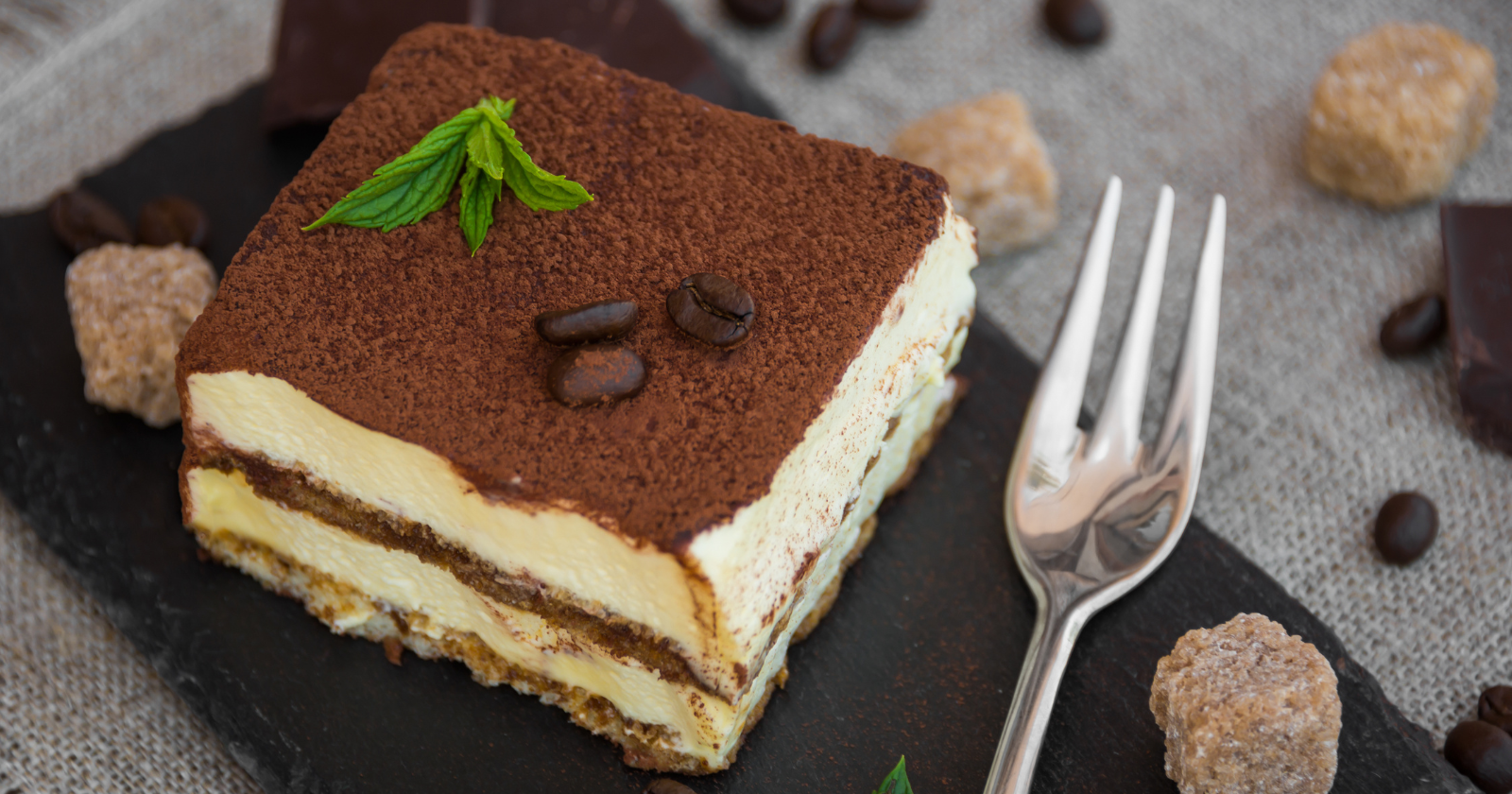
How to make a proper vegetarian tiramisu that tastes exactly like the real thing — and nobody will know it took you 20 minutes
The biggest myth about tiramisu is that you need eggs to make it authentic.
I spent years believing this myself, until a tiny cafe in Rome proved me wrong. The owner, an elderly woman who’d been making tiramisu since the 1960s, showed me her egg-free version that regulars had been ordering for decades. Nobody knew the difference.
That revelation changed everything about how I approach this dessert. Most people think vegetarian tiramisu means sacrificing that silky, creamy texture we all crave. They picture dense, heavy alternatives that scream “healthy substitute” from the first bite.
But here’s what they don’t realize: the magic of tiramisu was never about the eggs. It’s about balance, technique, and understanding what each ingredient actually does.
Why most vegetarian tiramisu recipes fail
The internet is flooded with vegetarian tiramisu recipes that miss the mark completely. They’ll tell you to use whipped coconut cream (too heavy), silken tofu (wrong texture entirely), or worse, some complicated cashew-based concoction that requires soaking nuts overnight.
These recipes fail because they’re trying to recreate eggs instead of understanding what makes tiramisu work. The traditional version uses raw egg yolks beaten with sugar to create zabaglione, which gives that distinctive richness. But that richness doesn’t come from the eggs themselves. It comes from the technique of creating an emulsion.
When I first started experimenting with plant-based cooking as a mindfulness practice, I discovered something fascinating. The same principles that make traditional tiramisu creamy can be achieved through different methods. You just need to know which buttons to push.
The real secret lies in using the right combination of mascarpone (which is naturally vegetarian) and heavy cream, whipped to exactly the right consistency. No eggs needed. No weird substitutes. Just proper technique applied to ingredients you already have.
The 20-minute game plan
Before we dive in, let’s talk about time management. Most tiramisu recipes act like you need to block out an entire afternoon. That’s nonsense. The active work takes twenty minutes, max. The rest is just waiting for it to set in the fridge.
Here’s your shopping list: mascarpone cheese, heavy cream, sugar, strong espresso (cooled), coffee liqueur, ladyfinger cookies, and unsweetened cocoa powder. That’s it. Seven ingredients. You probably have half of them already.
Start by brewing your espresso first and letting it cool while you prep everything else. This single move saves you ten minutes of waiting around later. Mix the espresso with coffee liqueur in a shallow dish and set it aside.
For the cream layer, whip the heavy cream until it forms soft peaks. In a separate bowl, beat the mascarpone with sugar until smooth. This is where most people mess up. They either overbeat the mascarpone, making it grainy, or underbeat it, leaving lumps. The key is room temperature mascarpone beaten just until the sugar dissolves.
Fold the whipped cream into the mascarpone mixture in three additions. This gradual folding maintains the airiness while creating that perfect silky texture. No eggs, no substitutes, just proper technique.
The assembly technique that makes all the difference
Assembly is where good tiramisu becomes great tiramisu. The biggest mistake home cooks make is soaking the ladyfingers too long. You want a quick dip, maybe two seconds per side. The cookies should be moistened but still have some structure. Soggy ladyfingers equal mushy tiramisu.
I learned this lesson the hard way during my first attempt years ago. I thought more coffee meant more flavor, so I let those ladyfingers swim. The result was coffee-flavored pudding with the texture of wet cardboard. Never again.
Layer the dipped ladyfingers in your dish, spread half the cream mixture over them, then repeat. The final layer should be cream. This isn’t just about aesthetics. That top cream layer protects the dessert and gives you the perfect canvas for the cocoa dusting.
Speaking of cocoa, wait until just before serving to dust it on top. Cocoa applied too early absorbs moisture and turns into an unappetizing dark paste. Fresh cocoa powder, applied at the last minute, gives that professional finish that makes people assume you bought this from a fancy Italian bakery.
The mindset shift that changes everything
There’s a parallel between making tiramisu and personal development that I find fascinating. Both require you to let go of perfectionism and trust the process. When I first started meditating regularly at 29, I kept trying to force a specific outcome. Same mistake I made with tiramisu, trying to force ingredients to be something they’re not.
The breakthrough comes when you stop fighting against limitations and start working with them. No eggs? Fine. Work with what you have. Can’t find ladyfingers? Use sponge cake. The constraints often lead to better solutions.
This dessert taught me patience in a way few recipes have. You can’t rush the chilling process. You can’t force the cream to whip faster. You work at the pace the ingredients demand, not the pace you want. It’s a meditation in itself, this focused attention on texture and timing.
I’ve made this recipe countless times now, sometimes while hosting dinner parties, sometimes just because I need that meditative focus of creating something beautiful. Each time, guests are shocked when I mention it’s vegetarian. They’re even more shocked when I tell them it took twenty minutes of actual work.
Troubleshooting common problems
If your cream mixture seems too thick, you’ve overwhipped the cream. Add a tablespoon of unwhipped cream and fold gently to loosen it. Too thin? Pop it in the fridge for ten minutes and give it another gentle whisk.
Ladyfingers falling apart during dipping means your coffee is too hot or you’re soaking too long. Remember, cool espresso and quick dips. Think of it like a baptism, not a bath.
Grainy texture in the mascarpone happens when it’s too cold. Always bring it to room temperature before beating. If you’re in a rush, microwave it for ten seconds, stir, and repeat until it’s softened.
The beauty of this recipe is its forgiving nature. Even if your layers aren’t perfect or your cream is slightly overwhipped, it still tastes incredible. The flavors meld together during chilling, hiding minor imperfections and creating something that tastes like you spent hours perfecting it.
Making it your own
Once you master the basic technique, experimentation becomes addictive. I’ve made versions with amaretto instead of coffee liqueur, added orange zest to the cream, even created a green tea variation that would horrify purists but tastes amazing.
The principles remain the same regardless of flavor. Maintain the balance between creamy and coffee-soaked elements. Keep that textural contrast between soft cream and tender cookies. Respect the chilling time.
This recipe scales beautifully too. Making it for two or twenty requires the same twenty minutes of active work. Just adjust quantities proportionally and use an appropriately sized dish.
The perfect finish
The real test of any recipe isn’t just whether it works, but whether it becomes part of your regular rotation. This tiramisu has earned its place in mine through sheer reliability. It’s my go-to for last-minute dinner parties, the dessert I bring to potlucks, the treat I make when I need to impress without stress.
Every time I serve it, someone asks for the recipe. When I tell them it’s vegetarian and takes twenty minutes, they assume I’m holding something back. But I’m not. Good technique beats complicated ingredients every time.
The transformation from skeptical to converted happens with that first bite. The coffee hits first, followed by the creamy sweetness, finished with the slight bitterness of cocoa. It’s everything tiramisu should be, achieved through understanding rather than imitation.
Next time someone tells you vegetarian desserts can’t match the original, make them this. Don’t mention it’s egg-free until after they’ve had seconds. Their surprise is almost as satisfying as the dessert itself.