I ate 100g of protein as a vegetarian for 7 days straight and here’s what I learned
I’ll be honest. When I first heard people talking about eating 100g of protein daily, I assumed it was something only gym bros with chicken breast obsessions needed to worry about.
But after months of feeling sluggish and constantly hungry between meals, I started wondering if my protein intake was actually enough.
So I decided to run an experiment. Seven days. 100g of protein. No meat, no fish, no cheating. Just me, my kitchen, and a whole lot of legumes. What I discovered genuinely surprised me.
The planning took more effort than expected
Before day one even started, I realised this wasn’t going to be a casual endeavour. I spent an entire Sunday afternoon mapping out meals, checking nutrition labels, and doing mental maths.
As registered dietitian Sharon Palmer has noted, vegetarians often underestimate how intentional they need to be about protein distribution throughout the day.
My usual breakfast of toast and jam? About 4g of protein. That wasn’t going to cut it anymore. I needed to think strategically about every single meal and snack.
I made a rough framework: aim for 25-30g at each main meal, then fill gaps with high-protein snacks. It sounds simple on paper, but executing it required genuine preparation.
Greek yoghurt became my unexpected hero
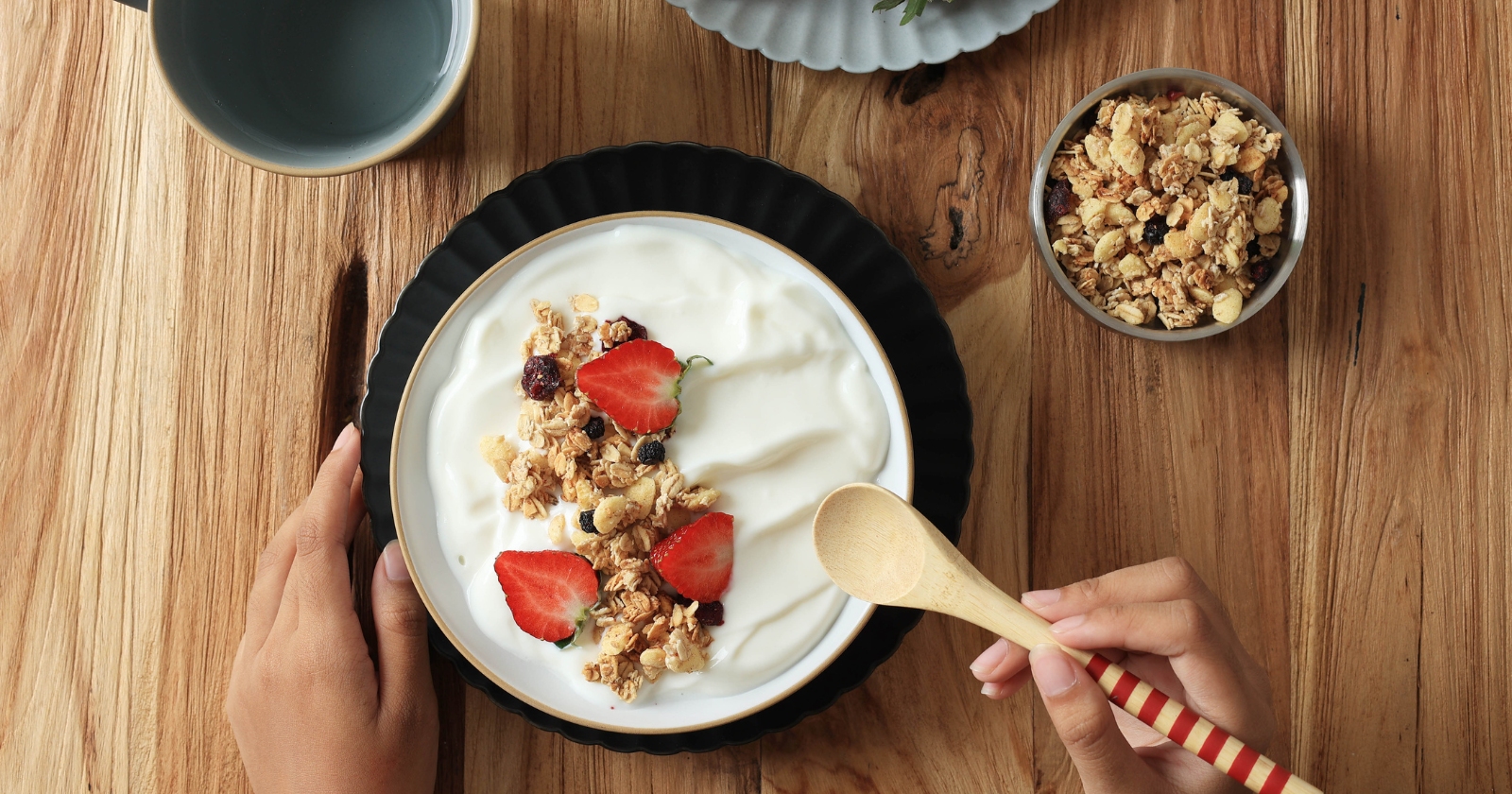
I’ve always kept Greek yoghurt in the fridge, but this week it earned permanent VIP status. A 200g serving packs around 20g of protein, and it’s incredibly versatile.
Breakfast parfaits with nuts and seeds. Smoothies blended with nut butter. Even savoury bowls topped with roasted chickpeas. Greek yoghurt showed up for me every single day.
The texture took some getting used to in savoury applications, but honestly? By day four, I was dolloping it on everything from curries to grain bowls without thinking twice.
I rediscovered the power of legumes
Lentils, chickpeas, black beans, edamame. These became the backbone of nearly every lunch and dinner. A cup of cooked lentils delivers roughly 18g of protein, which is genuinely impressive for something so affordable and shelf-stable.
I batch-cooked a massive pot of red lentil dal on day two and ate variations of it for three days straight. Not glamorous, but effective. Chickpea pasta also made regular appearances, adding an extra protein boost to otherwise ordinary dinners.
What struck me most was how satisfying these meals felt. That mid-afternoon energy crash I’d grown accustomed to? It practically disappeared by day three.
Snacking required a complete mindset shift
Gone were the days of grabbing whatever crackers were lying around. Instead, I kept a rotation of cottage cheese, roasted chickpeas, edamame, and protein balls within arm’s reach at all times.
This was perhaps the biggest adjustment. I’m someone who snacks mindlessly while working, and suddenly every bite needed to count toward my daily goal.
But here’s the thing: protein-rich snacks kept me fuller for longer. I actually snacked less frequently because I wasn’t experiencing those desperate hunger pangs every two hours. Research from the American Journal of Clinical Nutrition supports this, showing that higher protein intake tends to increase satiety between meals.
The variety challenge was real
By day five, I’ll admit I was getting a bit tired of the same rotation. Tofu stir-fry again? Another lentil soup? The monotony started creeping in.
This pushed me to get creative. I experimented with tempeh for the first time, marinating it in soy sauce and maple syrup before pan-frying. I made a batch of seitan from scratch, which was messier than expected but surprisingly satisfying.
The lesson here? If you’re going to commit to high-protein vegetarian eating long-term, you need a deep recipe repertoire. Otherwise, boredom will derail you faster than any craving for steak.
My energy levels genuinely improved
This wasn’t a placebo effect. By the end of the week, I noticed I was waking up feeling more alert and maintaining steadier energy throughout the day. No more 3pm slumps that had me reaching for caffeine or sugar.
I also felt stronger during my yoga practice. Poses that usually left my muscles trembling felt slightly more stable. Whether that’s directly attributable to protein or simply better overall nutrition, I can’t say for certain. But something shifted.
My husband even commented that I seemed less irritable in the evenings. Apparently hangry Chloe had been making more appearances than I’d realised.
Final thoughts
Would I do this forever? Probably not at exactly 100g daily. It required more mental energy than feels sustainable for everyday life, especially with a baby demanding attention.
But this experiment taught me that I’d been dramatically under-eating protein without realising it. Even aiming for 70-80g feels like a reasonable middle ground that keeps me satisfied and energised.
If you’ve been feeling constantly hungry or sluggish on a vegetarian diet, I’d genuinely encourage you to track your protein for just a few days. The numbers might surprise you as much as they surprised me. And yes, it’s absolutely possible to hit ambitious protein goals without a single piece of chicken in sight.