
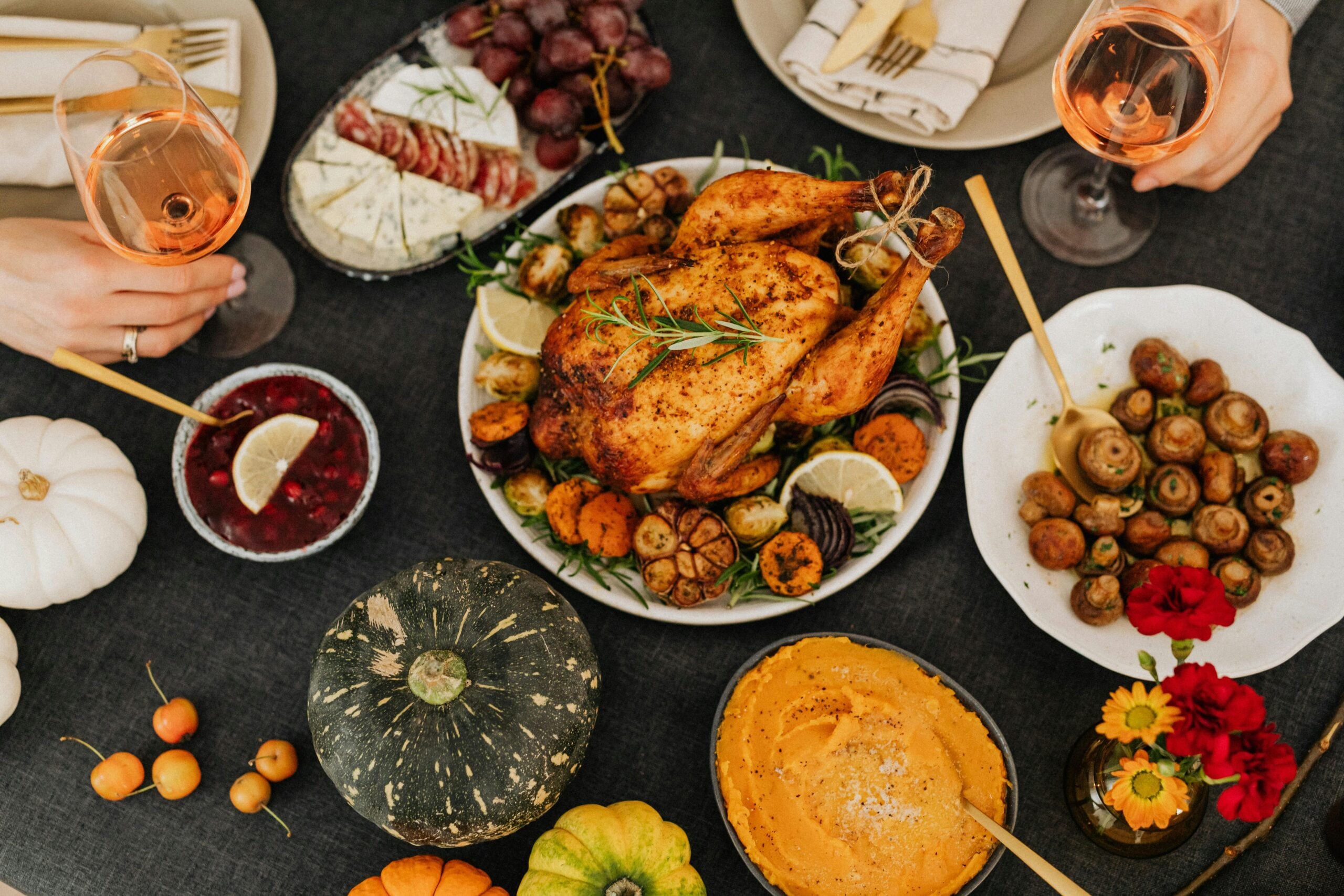
Strategies for Avoiding Overeating During Holiday Events
The holidays can bring warmth, connection, and celebration—but also an ongoing challenge: how to avoid overeating during holiday events without feeling deprived. From family dinners and festive buffets to office parties and late-night leftovers, it’s easy to lose sight of balance. The good news is that managing this season’s temptations isn’t about rigid restriction—it’s about understanding behavior, building mindful habits, and choosing nourishment over excess. The following strategies will help you avoid overeating during holiday events and approach this joyful season with both satisfaction and self-care.
Why Overeating at Holiday Events Is So Common
Overeating at holiday events is not a sign of weak willpower—it’s a reflection of human nature. Studies in psychology and nutrition have found that high-calorie environments, emotional triggers, and social cues all combine to stimulate the brain’s reward system. When surrounded by loved ones, rich foods, and nostalgia, people are more likely to override hunger cues. The act of celebrating itself releases dopamine, the brain’s feel-good chemical, which heightens the allure of indulgent foods. Understanding that overeating during holiday events is a conditioned response helps remove guilt and opens the door to learning self-awareness rather than self-criticism.
Social Pressures That Encourage Overeating During Holiday Events
Social gatherings can subtly encourage overeating during holiday events. Whether it’s a family member insisting you “try just one more bite,” or an office celebration where abundance feels like participation, food becomes part of belonging. The expectation to eat, drink, and celebrate can override the body’s natural hunger signals. Research from behavioral health experts at Michigan State University highlights how social norms often promote excessive eating as a symbol of togetherness. Recognizing these pressures empowers you to celebrate connection through conversation and shared experience instead of excess food.
Emotions and Their Role in Holiday Overeating
Emotions are deeply tied to eating behavior, particularly during the holidays. Stress, nostalgia, and even joy can trigger overeating during holiday events. Many people use food to soothe anxiety, cope with loneliness, or recreate comforting memories. This emotional-eating pattern is amplified during high-stress times. When cortisol, the stress hormone, rises, it increases appetite—particularly for sugary, fatty, and salty foods. By acknowledging that emotions drive many choices, you can practice compassion for yourself while adopting strategies to address emotional triggers in healthier ways.
The Environmental Triggers Behind Overeating During Holiday Events
From festive décor to the smell of baked goods, environmental cues influence how much we eat. Research in appetite science shows that visual and olfactory stimulation can heighten cravings even when the body isn’t hungry. Buffets and snack tables create an “availability bias,” where the presence of food increases consumption. Simply put, if food is visible and accessible, you’re more likely to eat it. Understanding these environmental triggers helps you design your surroundings intentionally to avoid overeating during holiday events—by positioning yourself away from food displays or choosing smaller plates to moderate portions.
The Biology of Celebration: Why the Body Craves More
The combination of stress, anticipation, and celebration alters metabolism and appetite hormones. Ghrelin, the hormone that stimulates hunger, rises during emotional excitement, while leptin, which signals fullness, can become less responsive. These biological fluctuations mean that during holiday events, the body may crave more food even when caloric needs have been met. Learning this connection between hormones and behavior helps you approach overeating during holiday events with mindfulness rather than blame—and gives you tools to pause before acting on impulse.
Mindful Awareness: The Foundation for Change
Mindfulness (bringing full attention to the experience of eating) is one of the most effective strategies to avoid overeating during holiday events. By slowing down and noticing the taste, texture, and satisfaction level of each bite, you re-engage with your body’s natural hunger and fullness cues. Mindful eating has been shown to reduce impulsive behavior and increase meal satisfaction. Start by putting your fork down between bites, sipping water, and taking a deep breath before reaching for seconds. Over time, these small habits retrain your brain to recognize contentment before excess.
Setting Intentions Before Holiday Events
Preparation is powerful. Before attending a party or family dinner, decide what you truly want to experience: connection, gratitude, and pleasure—not regret. Setting an intention helps anchor your choices. You might tell yourself, “I’m going to enjoy one dessert slowly,” or “I’ll fill half my plate with vegetables first.” This simple practice can help you avoid overeating during holiday events because it creates a conscious roadmap, guiding you toward balance. Intention-setting shifts eating from automatic behavior to deliberate self-care.
The Role of Balanced Nutrition in Preventing Overeating
Balanced nutrition before and during gatherings helps stabilize blood sugar and prevent binge impulses. Skipping meals to “save up” for a holiday feast often backfires, leading to overeating once food is available. Instead, eat a fiber-rich breakfast with protein—such as oatmeal with fruit or eggs with vegetables—to maintain satiety. Incorporate hydrating foods like salads, soups, or fresh fruit at the event itself. By entering a celebration well-nourished, you reduce physiological hunger and are more likely to avoid overeating during holiday events.
Smart Portion Control Strategies
Portion awareness doesn’t mean deprivation; it’s about mindfulness. Use smaller plates when available—people tend to eat 20–30% less when serving sizes are visually reduced. Start with small portions, knowing you can always return for more if you’re genuinely hungry. Choose dishes that emphasize whole grains, lean proteins, and vegetables before moving on to richer foods. These practical techniques make it easier to avoid overeating during holiday events while still enjoying every flavor the season offers.
Staying Hydrated to Support Satiety
Hydration plays an underappreciated role in appetite regulation. Often, thirst is mistaken for hunger. Drinking water before and during meals supports digestion and reduces the likelihood of overeating. During holiday events, alternate each alcoholic or sugary beverage with water or sparkling water. Not only does this support moderation, but it helps you maintain energy and clarity—key elements for making mindful choices around food.
Practicing the “Two-Bite Rule” for Sweets and Indulgences
Deprivation fuels cravings. Instead of eliminating desserts, practice moderation by savoring small portions. The “two-bite rule” encourages you to enjoy two slow, intentional bites of any treat you desire, noticing the flavor and texture fully. Research shows that pleasure receptors in the brain diminish after the first few bites, meaning satisfaction peaks early. By practicing this technique, you can enjoy indulgent foods while avoiding overeating during holiday events.
The Power of Movement in Managing Overeating
Movement helps regulate metabolism and reduce the psychological drive to overeat. Light physical activity, such as a short walk before or after a meal, can stabilize blood glucose levels and decrease cravings. Exercise also releases endorphins, balancing the reward system that often drives holiday overeating. Incorporating gentle movement throughout the day—such as a family walk after dinner or stretching between courses—can help you avoid overeating during holiday events while maintaining energy and emotional equilibrium.
Mindful Socializing Instead of Mindless Snacking
At many holiday events, food becomes the centerpiece of interaction. Shifting focus toward conversation, games, or shared experiences helps divert attention from constant nibbling. Hold your beverage in one hand and keep the other free for gestures—this physical cue reduces the tendency to graze. Engaging deeply with others satisfies emotional needs that might otherwise be filled by food. In this way, connection becomes nourishment in itself, making it easier to avoid overeating during holiday events.
Managing Alcohol’s Impact on Appetite
Alcohol lowers inhibitions and stimulates appetite hormones, which can make avoiding overeating during holiday events more challenging. Choosing moderation is key. Have a glass of water between drinks, opt for lower-calorie mixers, and limit sweet cocktails that can trigger cravings. Eating a protein-rich snack before drinking helps slow alcohol absorption and stabilizes appetite. By pacing yourself and staying aware of your body’s cues, you maintain better control over both food and drink choices.
Using Gratitude as an Anchor Against Overeating
Gratitude has been shown to regulate emotional eating by redirecting focus from consumption to appreciation. Before beginning a meal, take a moment to reflect on the people present, the care behind the food, and the opportunity to gather. Gratitude engages the parasympathetic nervous system, promoting calm and slowing the impulse to overeat. This practice transforms meals into mindful experiences and supports your goal to avoid overeating during holiday events while deepening emotional satisfaction.
Understanding Triggers and Creating New Rituals
Identify what prompts you to eat beyond fullness—whether it’s stress, boredom, or specific foods. Once you recognize these triggers, replace them with new rituals. If you tend to snack while socializing, keep a glass of water in your hand. If dessert feels obligatory, focus on conversation instead. Small substitutions reinforce self-control and help you avoid overeating during holiday events without sacrificing enjoyment. Over time, these rituals evolve into sustainable habits that extend beyond the holidays.
The Rest-Appetite Connection: Why Sleep Matters
Sleep deprivation heightens appetite by increasing ghrelin and lowering leptin levels, leading to stronger cravings for high-calorie foods. During busy holiday schedules, rest often becomes secondary, yet adequate sleep is essential for appetite control. Strive for seven to eight hours of rest to support balanced hormones and clear decision-making. By prioritizing rest, you strengthen your ability to avoid overeating during holiday events and maintain emotional stability throughout the season.
How a Stay at Pritikin Transforms Holiday Eating Habits
At Pritikin, guests discover how science, psychology, and self-awareness converge to transform eating behaviors. Through immersive education, chef-led cooking demonstrations, and physician-guided workshops, visitors learn practical tools to manage real-world situations—including how to avoid overeating during holiday events. The Pritikin Program teaches mindful meal composition, emotional regulation, and physical activity as interconnected pathways to wellness. Guests leave not only refreshed but empowered to sustain healthy habits at home long after the holidays end.
Living the Pritikin Lifestyle Beyond the Holidays
A stay at Pritikin isn’t just a retreat—it’s a reset. By integrating evidence-based nutrition, exercise, and behavioral strategies, guests learn how to make lasting changes. Pritikin’s environment fosters self-discovery and empowerment, helping participants identify triggers that lead to overeating during holiday events and replace them with mindful responses. This foundation allows health goals to endure through every season of life, not just the festive months.
Taking the Next Step Toward a Healthier Holiday Season
If you’re ready to explore a transformative approach to health and wellness, connect with a Pritikin representative today. Learn how personalized guidance, immersive education, and a supportive environment can help you manage your eating habits, restore balance, and rediscover joy in nourishment.
Begin your journey toward a healthier, more mindful way to celebrate life’s special moments, today. We’re here to help.


