
6 vegetarian pasta recipes for when you want something satisfying but light — no heavy cream sauces, no complicated techniques
Sometimes you crave pasta, but everything in your recipe collection feels too heavy.
You know the feeling – you want something comforting and satisfying, but not the kind of meal that leaves you sluggish on the couch afterward. Most pasta recipes seem to fall into two camps: either drowning in cream and cheese, or so light they leave you hungry an hour later.
I’ve been there. After years of cooking vegetarian meals, I’ve learned that the sweet spot exists – pasta dishes that satisfy without weighing you down. The secret isn’t complicated. It’s about choosing the right ingredients and techniques that let vegetables and simple flavors shine.
These six recipes have become my go-to rotation when I want real food that won’t slow me down. Each one takes less than 30 minutes, uses ingredients you probably already have, and delivers that perfect balance of satisfying but light.
1) Lemon and chickpea pasta with fresh herbs
This combination changed how I think about protein in pasta. The chickpeas give you substance without heaviness, while lemon keeps everything bright.
Start by cooking your pasta – I like orecchiette or shells because they catch the chickpeas. While it cooks, heat olive oil in a large pan and add minced garlic. Once fragrant, add a can of drained chickpeas and let them get slightly crispy on the edges. This takes about five minutes and makes all the difference.
When the pasta’s ready, reserve a cup of the cooking water before draining. Add the pasta to your chickpea pan with the zest and juice of one lemon, a handful of chopped parsley, and enough pasta water to create a light sauce. The starch in the water helps everything cling together without any cream.
Season generously with black pepper and finish with fresh basil if you have it. The whole thing takes 20 minutes, and you’ll actually feel energized after eating it.
2) Cherry tomato and spinach pasta with garlic
Cherry tomatoes are pasta gold. They burst into their own sauce without any effort from you.
Heat olive oil in your largest pan while your pasta cooks. Add halved cherry tomatoes and let them sit undisturbed for a few minutes. You want them to blister and start releasing their juices. Add minced garlic and red pepper flakes, then toss in a few handfuls of fresh spinach.
The spinach will wilt down to almost nothing, which is perfect. Add your drained pasta directly to the pan with a splash of pasta water. Toss everything together and watch as the tomatoes break down into a light, fresh sauce.
I learned this technique from a tiny restaurant in Europe where they made it look effortless. Turns out, it actually is effortless. The tomatoes do all the work.
3) Mushroom and white bean pasta
Mushrooms bring that savory depth that makes you forget you’re eating something light. Combined with white beans, this becomes seriously satisfying comfort food.
Slice your mushrooms thick – they’ll shrink, and you want some texture. Cook them in a dry pan first until they release their moisture and start browning. Then add olive oil, garlic, and fresh thyme. While your pasta cooks, add a can of cannellini beans to the mushrooms.
The beans break down slightly and create a creamy texture without any dairy. Add the cooked pasta with pasta water and finish with fresh rosemary and lemon juice. It’s earthy, filling, and somehow still feels light.
During a particularly stressful work period, this became my Thursday night ritual. Cooking those mushrooms slowly became a kind of meditation – watching them transform from pale and spongy to golden and concentrated. Sometimes the best self-care is just making yourself real food.
4) Roasted red pepper and walnut pasta
This one surprises people. The sauce comes together in a blender and tastes way more complex than its simple ingredients suggest.
Roast red peppers until charred, or use jarred ones if you’re short on time. Blend them with a handful of toasted walnuts, garlic, olive oil, and a splash of pasta water until smooth. The walnuts add body and richness without heaviness.
Toss this sauce with your cooked pasta and finish with fresh parsley. The whole thing is naturally creamy from the nuts, slightly sweet from the peppers, and completely satisfying. Add some crushed red pepper if you want heat.
I discovered this combination at my book club when someone brought a similar dish. While everyone else was discussing the novel, I was mentally reverse-engineering the recipe. Worth it.
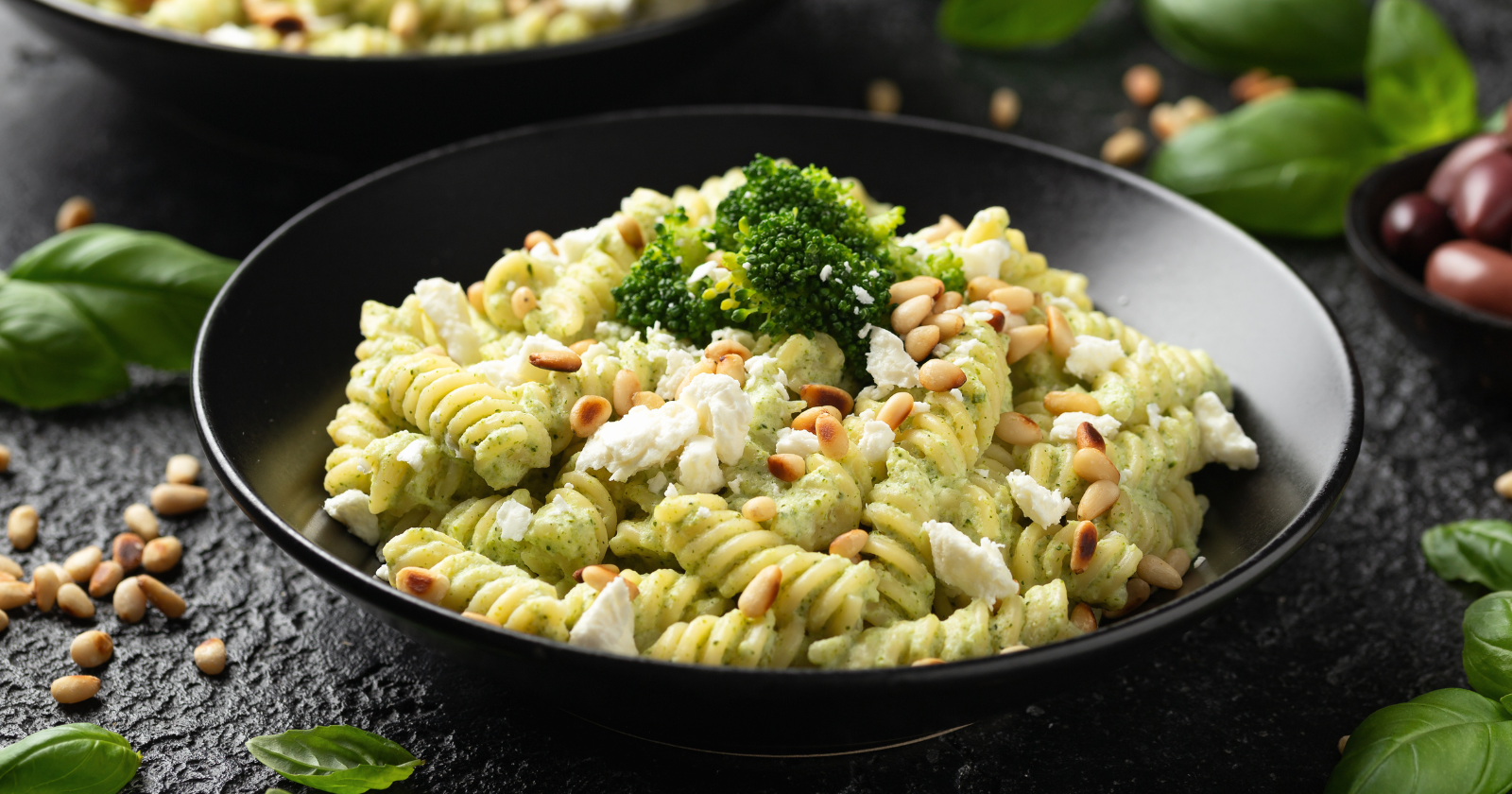
5) Broccoli and lemon pasta with pine nuts
Broccoli in pasta often gets overlooked, but when you cook it right, it becomes the star.
Cut your broccoli into small florets and add them to your pasta water in the last three minutes of cooking. They’ll turn bright green and tender. Meanwhile, toast pine nuts in a dry pan until golden, then add olive oil, garlic, and lemon zest.
Drain the pasta and broccoli together, then add them to your pine nut pan. The key is using enough pasta water to create a light sauce that coats everything. Finish with fresh lemon juice and good olive oil.
The broccoli breaks down slightly and mingles with the pasta, while the pine nuts add richness and crunch. It’s simple but never boring.
6) Zucchini and mint pasta
This combination sounds unusual but trust me. The mint transforms ordinary zucchini into something special.
Slice zucchini into half-moons and cook them in olive oil until they’re golden on the edges but still have some bite. Add garlic and cook briefly, then add your cooked pasta with pasta water.
The magic happens when you add fresh mint leaves at the end. They wilt slightly but keep their brightness, making the whole dish taste like summer. A squeeze of lemon and some black pepper finish it perfectly.
I started making this after growing too much zucchini on my apartment balcony. Desperation breeds creativity, and this happy accident became a regular in my rotation.
Finding your balance
These recipes prove you don’t need heavy sauces or complicated techniques for satisfying pasta. Each one delivers flavor and substance while keeping things light. The common thread is using vegetables as the base, adding protein through beans or nuts, and letting pasta water create natural creaminess.
Start with whichever recipe speaks to you. Once you get the hang of these techniques, you’ll start creating your own variations. Maybe you’ll add artichokes to the lemon chickpea pasta, or try the roasted pepper sauce with different nuts.
The goal isn’t perfection. It’s finding that sweet spot where dinner feels like actual nourishment – for your body and your day. These pastas do exactly that, giving you energy instead of draining it, satisfaction without the slump.
Keep your ingredients fresh, your techniques simple, and remember that the best meals often come from working with what you have. That’s when cooking becomes less about following rules and more about trusting yourself in the kitchen.