
8 vegetarian meals that are worth making in a big batch — better flavour as the week goes on and nothing that gets boring
Ever stared at a container of leftover curry on day four and thought twice about eating it again? The struggle is real. We want to meal prep to save time and money, but nobody wants to force down the same tired dish by Friday. The secret isn’t making different meals every day. It’s choosing dishes that actually improve with time and stay interesting throughout the week.
After years of batch cooking, I’ve discovered that certain vegetarian meals develop deeper, more complex flavours as they sit. The spices meld together. The textures transform. What starts as a good meal on Sunday becomes spectacular by Wednesday. These eight recipes have become my go-to rotation for batch cooking that never feels like a chore to eat.
1) Ethiopian misir wot (red lentil stew)
This berbere-spiced lentil stew taught me everything about patience in cooking. The first time I made it, I couldn’t understand why the recipe insisted on cooking the onions for 45 minutes. Now I know that slow-cooked base creates magic that intensifies over days.
Start with red lentils, which break down into a creamy texture that won’t turn mushy when reheated. The berbere spice blend does the heavy lifting here. Toast your own if you’re feeling ambitious, but a quality store-bought blend works perfectly. The key is blooming those spices in oil before adding liquid.
Make a massive pot on Sunday. By midweek, those flavours have married into something transcendent. Serve it different ways throughout the week. Over rice one night, with injera or flatbread another, stuffed into a wrap for lunch. The versatility keeps it fresh while the flavour keeps getting better.
2) Chickpea tikka masala
Forget the restaurant version. This homemade tikka masala becomes silkier and more luxurious each day it sits in your fridge. The cream and tomato base creates an emulsion that thickens naturally as it rests, coating each chickpea in concentrated flavour.
The trick is using coconut cream instead of dairy. It holds up better to reheating and adds a subtle sweetness that balances the spices. Char your onions and tomatoes first. That slight blackening adds a smoky depth you can’t achieve any other way.
I learned this technique from someone who made their base sauce daily but insisted it wasn’t ready to serve until day two. They were right. Fresh out of the pot, it’s good. After a night in the fridge, it’s phenomenal. The chickpeas absorb the sauce, becoming flavour bombs that burst in your mouth.
3) Mushroom and barley soup
This soup breaks every rule about mushrooms getting soggy. Use a mix of fresh and dried mushrooms. The dried ones rehydrate in the broth, creating an intensely savoury base that deepens daily. The fresh mushrooms might soften, but that’s exactly what you want.
Pearl barley is your friend here. Unlike pasta or rice, it maintains a pleasant chewiness even after days of sitting in liquid. It continues absorbing the mushroom broth without falling apart, becoming more flavourful with each passing day.
Growing herbs on my apartment balcony changed how I approach this soup. Fresh thyme added just before serving transforms the entire bowl. That bright herbaceous note cuts through the earthiness, keeping each serving interesting even when you’re on bowl number five.
4) Slow-cooked black bean chili
Most chili recipes tell you it’s better the next day. This one keeps improving for a full week. The secret is using whole dried chilies that you toast, soak, and blend into a paste. This technique creates layers of flavour that reveal themselves gradually.
Skip the pre-ground spices. Toast whole cumin seeds and coriander until your kitchen smells like a spice market. Grind them fresh. The oils released during grinding infuse into the beans over time, creating complexity you can’t achieve with pre-ground spices.
Load it with vegetables that hold their shape. Bell peppers, carrots, and celery maintain enough texture to keep things interesting. Top each bowl differently throughout the week. Avocado on Monday, sour cream on Wednesday, crushed tortilla chips on Friday. The base stays the same, but each meal feels unique.
5) Miso-glazed roasted vegetables
This isn’t your typical roasted vegetable tray. The miso glaze caramelises during roasting, creating a lacquered coating that intensifies as it sits. Choose sturdy vegetables like cauliflower, Brussels sprouts, sweet potatoes, and carrots that improve with time rather than wilting.
Mix white miso with maple syrup, rice vinegar, and sesame oil. Toss your vegetables and roast at high heat until the edges char. The initial roast is just the beginning. Each reheat concentrates the glaze further, creating almost candied edges that contrast with the tender centers.
The beauty of this dish is its flexibility. Eat them warm as a main with rice. Throw them cold into grain bowls. Blend leftovers into soup. The miso’s umami punch ensures they never taste flat or boring, no matter how you serve them.
6) Dal makhani
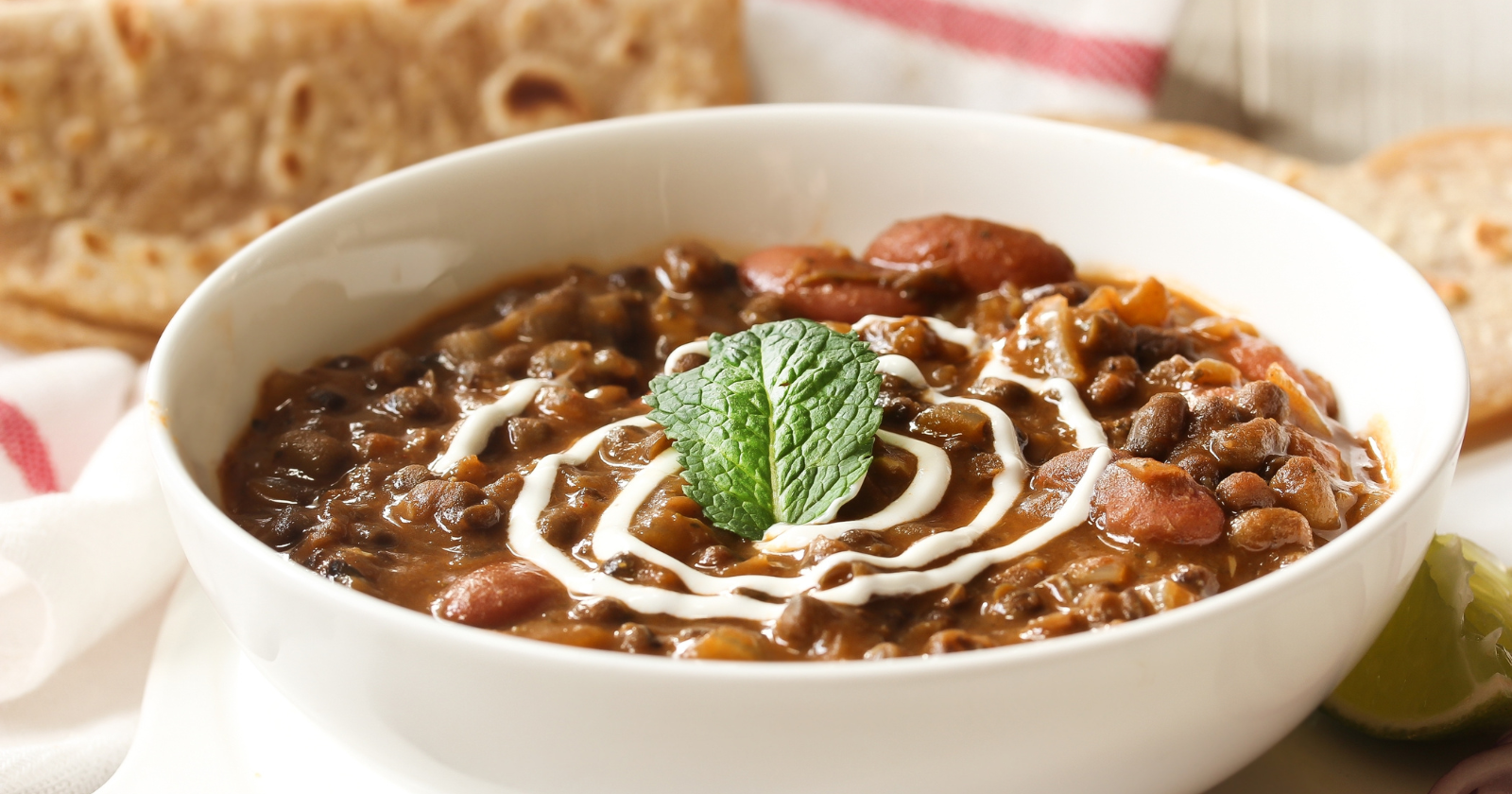
Traditional dal makhani cooks overnight over dying coals. While we can’t replicate that exactly, slow cooking for hours creates similar magic. The black lentils and kidney beans break down partially, creating a creamy base while maintaining enough whole beans for texture.
This dish taught me about the meditation of slow cooking. Standing at the stove, stirring occasionally, watching the transformation happen gradually. It becomes a mindfulness practice that sets the tone for the entire week.
The butter and cream might seem excessive, but they’re essential. They create a richness that prevents palate fatigue. You could eat this every day and discover new flavours. The fenugreek leaves added at the end provide a unique bitter note that keeps your taste buds engaged.
7) Stuffed bell peppers
These aren’t your grandmother’s stuffed peppers. Use a quinoa base mixed with nuts, dried fruit, and warming spices like cinnamon and allspice. The peppers soften over time, melding with the filling to create something between a casserole and a stuffed vegetable.
The genius move is slightly undercooking them initially. They’ll finish cooking during reheating throughout the week, preventing that mushy, collapsed pepper problem. The filling absorbs the pepper juices, becoming more cohesive and flavourful each day.
Make different coloured peppers for visual variety. Red, yellow, orange, green. Opening the fridge to that rainbow makes choosing lunch feel less like obligation and more like selection.
8) Japanese curry
Japanese curry might seem basic, but its simplicity hides sophisticated flavour development. The roux-based sauce thickens progressively, coating vegetables in glossy, concentrated flavour. Unlike other curries, this one needs time to reach its full potential.
Use root vegetables that improve with sitting. Potatoes, carrots, onions, and kabocha squash absorb the curry while maintaining distinct textures. Add frozen peas just before serving each portion for a pop of freshness and colour.
The transformation is remarkable. Day one tastes good but separate, each component distinct. By day three, it’s unified into something greater than its parts. The vegetables taste like curry. The curry tastes like vegetables. Everything melds into perfect harmony.
Making batch cooking work for you
The key to successful batch cooking isn’t just choosing the right recipes. It’s understanding that some foods are designed to age gracefully. These eight dishes don’t just tolerate sitting in your fridge. They demand it. They reward your patience with deeper flavours and more satisfying meals.
Think of batch cooking as an investment in your future self. Sunday’s effort pays dividends throughout the week. But unlike meal prep that feels like punishment by Thursday, these dishes make you look forward to leftovers. They transform batch cooking from a chore into a practice that supports both your schedule and your palate.
Start with one or two recipes. See how they evolve throughout the week. Notice which day each dish peaks for your taste. Build your own rotation based on what works for your life. Before long, you’ll have a repertoire of meals that make Sunday cooking feel less like work and more like setting yourself up for a week of increasingly delicious dinners.