
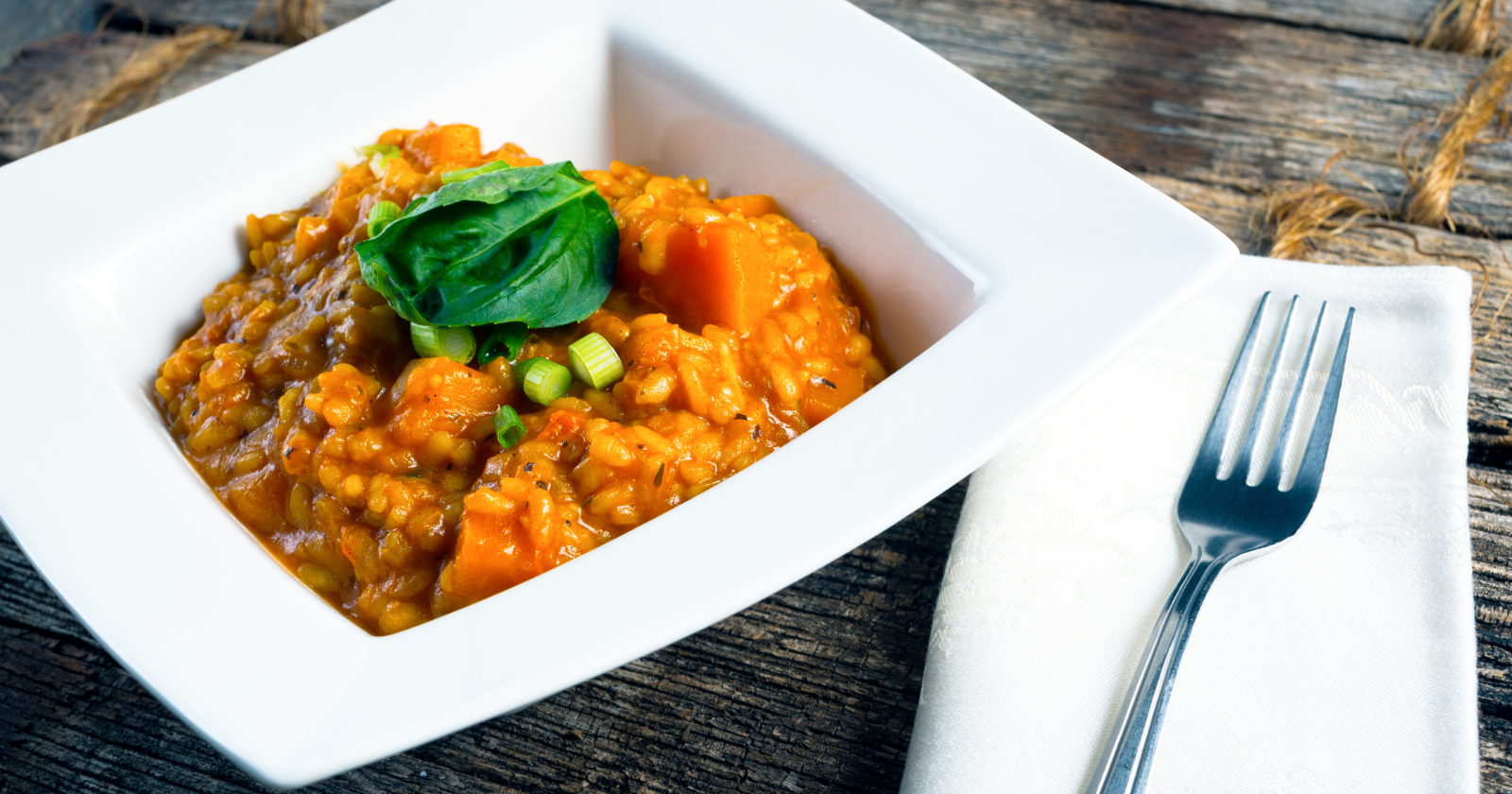
Vegetarian one-pot risotto-style recipes without constant stirring
Let’s address the elephant in the kitchen: traditional risotto is delicious, but it’s also a commitment. Standing over a pot, ladling broth, stirring constantly for 25 minutes. It’s meditative if you’re in the mood. It’s maddening if you’re not.
Good news. You can get that same creamy, starchy comfort without the arm workout. These one-pot risotto-style recipes use smart techniques like oven baking, strategic liquid ratios, and the right rice varieties to deliver results with minimal babysitting. You’ll stir occasionally, sure. But you won’t be held hostage by your stovetop.
Oven-baked mushroom and thyme risotto
The oven does the heavy lifting here. You’ll sauté your aromatics on the stovetop, add the rice and liquid, then let your oven handle the rest. The enclosed heat creates even cooking and that signature creaminess without constant attention.
Mixed mushrooms work beautifully here. Cremini, shiitake, even some dried porcini rehydrated and chopped. The earthiness pairs perfectly with fresh thyme and a splash of white wine. Finish with parmesan and a knob of butter stirred through at the end.
Key technique: Use a Dutch oven or oven-safe pot with a tight-fitting lid. Bake at 350°F for about 45 minutes, stirring just once halfway through. The rice absorbs liquid slowly and evenly, giving you that al dente bite.
Think arborio rice, vegetable stock, shallots, garlic, white wine, mixed mushrooms, thyme, parmesan, butter.
Butternut squash risotto with sage brown butter
Roasted butternut squash brings natural sweetness and gorgeous color. Half gets pureed into the stock for extra body. The other half gets roasted until caramelized and scattered on top.
This one uses a hybrid approach. You’ll add more liquid upfront than traditional risotto calls for, cover the pot, and let it simmer on low. Check it every 10 minutes or so, give it a gentle stir, and add more stock if needed. Far less demanding than the classic method.
The sage brown butter at the end is non-negotiable. It takes 3 minutes and transforms the whole dish. Just cook butter until it smells nutty and turns golden, toss in fresh sage leaves until crispy, and drizzle over your bowls.
Think arborio rice, butternut squash, vegetable stock, shallots, white wine, butter, fresh sage, parmesan, nutmeg.
Lemon and asparagus spring risotto
When asparagus season hits, this is the move. Bright, fresh, and surprisingly hands-off. The trick is adding the asparagus in stages so you get both flavor in the rice and tender-crisp pieces on top.
Chop the woody ends and simmer them in your stock for 15 minutes before straining. Now your liquid carries that asparagus flavor throughout. Cut the tender tips and add them in the last 5 minutes of cooking so they stay vibrant green.
Lemon zest and juice go in right at the end, along with parmesan. The acidity cuts through the richness and makes the whole thing feel lighter. I’ve mentioned this before, but a microplane is worth owning just for moments like this.
Think arborio rice, asparagus, vegetable stock, lemon, shallots, white wine, parmesan, butter, chives.
Tomato and white bean risotto
This one leans Italian-grandmother in the best way. San Marzano tomatoes, creamy cannellini beans, and a hit of basil. Hearty enough for dinner, impressive enough for company.
The beans add protein and extra creaminess. Crush some of them slightly before adding so they break down and thicken the dish. Leave others whole for texture contrast.
Use the tomato liquid as part of your cooking liquid. It adds acidity and depth that straight vegetable stock can’t match. A drizzle of good olive oil and torn basil at the end brings it all together.
Think arborio rice, canned San Marzano tomatoes, cannellini beans, vegetable stock, garlic, onion, basil, olive oil, parmesan.
Spinach and goat cheese risotto
Simple ingredients, big payoff. Wilted spinach and tangy goat cheese create a flavor combination that feels fancy but comes together in one pot with minimal effort.
The spinach goes in at the very end. Just stir it into the hot rice and let residual heat wilt it down. This keeps the color bright and prevents that army-green mush situation nobody wants.
Goat cheese gets crumbled on top rather than stirred through. It melts into creamy pockets as you eat. Some toasted pine nuts add crunch if you’re feeling ambitious.
Think arborio rice, vegetable stock, fresh spinach, goat cheese, shallots, garlic, white wine, lemon zest, pine nuts.
Roasted red pepper and smoked paprika risotto
Smoky, slightly sweet, and deeply satisfying. Jarred roasted red peppers work perfectly here, so don’t stress about roasting your own unless you want to.
Smoked paprika goes into the sautéed onions early so the flavor blooms in the oil. This makes a huge difference compared to adding it later. The peppers get blended into a quick puree that colors the rice a beautiful sunset orange.
A dollop of mascarpone or cream cheese stirred through at the end adds richness without overwhelming the pepper flavor. Some fresh parsley brightens everything up.
Think arborio rice, roasted red peppers, vegetable stock, onion, garlic, smoked paprika, mascarpone, parsley, parmesan.
The bottom line
Risotto doesn’t have to mean 30 minutes of uninterrupted stirring. These recipes prove you can get creamy, restaurant-quality results with smarter techniques and way less effort.
The secrets are simple: use the oven when you can, add more liquid upfront, keep a lid on it, and stir occasionally rather than constantly. Your rice doesn’t know the difference. Your arms will thank you.
Pick one of these for your next weeknight dinner. You’ll get all the comfort of risotto without feeling like you ran a marathon standing in your kitchen.