
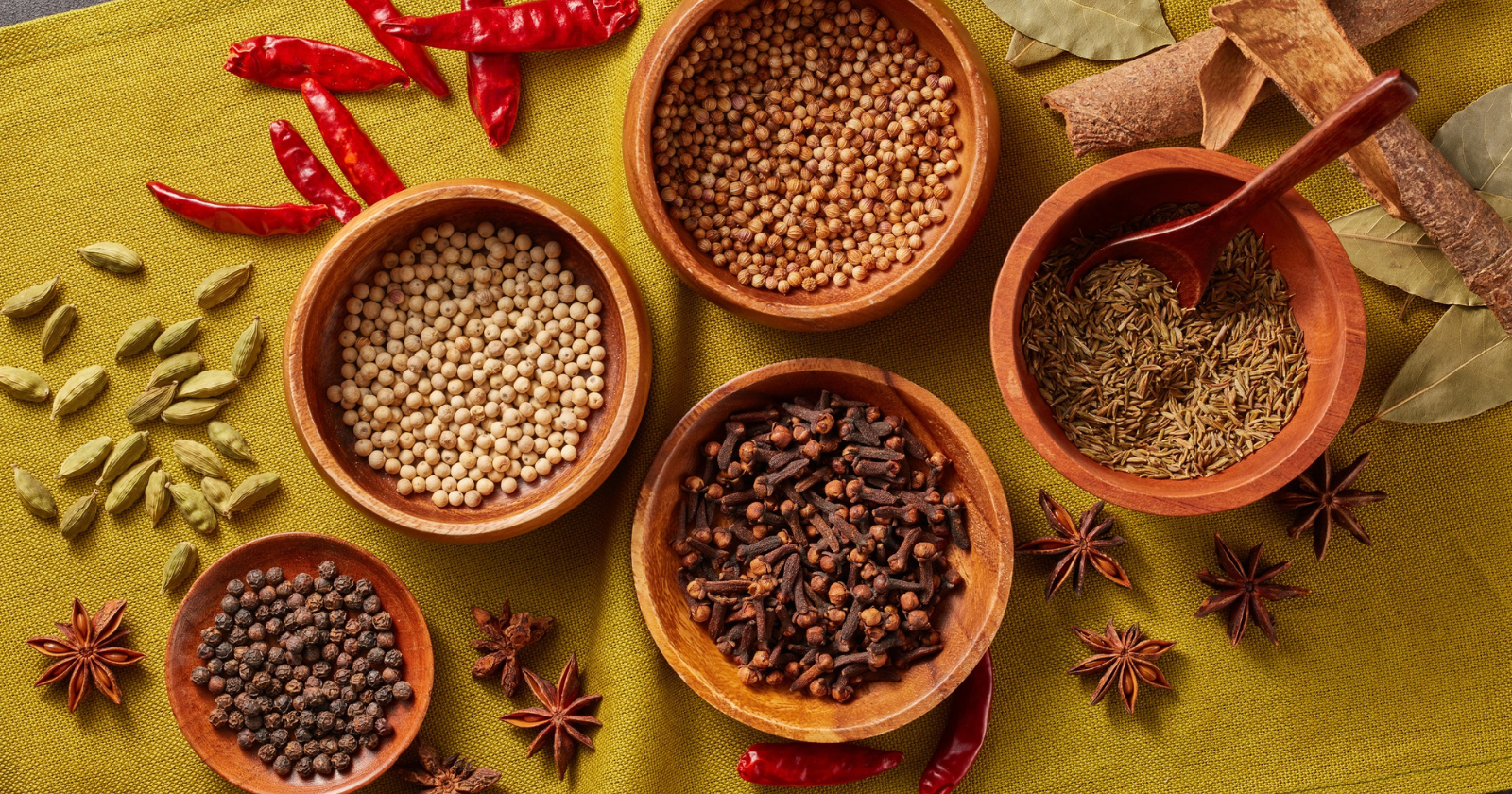
7 spices worth learning properly — and the vegetarian dishes that show you exactly what they can do
When I was thirty-two, I left my corporate marketing role and decided to learn cooking properly. I spent time observing experienced cooks transform simple vegetables into something extraordinary using nothing but proper spice technique.
They didn’t measure anything. They knew exactly when to add what, how hot the oil should be, whether to use whole seeds or ground powder. Watching them work was like watching a musician who knows their instrument so well they can make it sing without thinking.
That’s when I realized spices aren’t just ingredients. They’re tools, and like any tool, they work best when you understand their purpose.
After years of experimenting and countless conversations with home cooks who actually know what they’re doing, I’ve narrowed it down to seven spices that will transform your vegetarian cooking once you learn them properly. Not just what they taste like, but how they behave, when to use them, and which dishes showcase their full potential.
1. Cumin seeds and the art of tempering
Cumin is the gateway spice for understanding tempering, that magical technique where you bloom whole spices in hot oil to release their essential oils. Most Western cooks skip this step entirely, dumping ground cumin into wet ingredients where it turns bitter and muddy.
The dish that taught me cumin’s true nature is jeera aloo, a North Indian potato dish that’s embarrassingly simple yet impossible to nail without understanding the spice. You heat oil until it shimmers, add whole cumin seeds, and wait for that precise moment when they darken slightly and release their nutty aroma. Too early and you get raw, harsh flavors. Too late and they burn bitter.
The potatoes themselves are just boiled and cubed, but once you toss them in that cumin-infused oil with a bit of turmeric and chili, something alchemical happens. The earthy sweetness of cumin wraps around each piece, creating depth that makes you forget you’re eating one of the world’s humblest vegetables.
2. Smoked paprika changes everything it touches
Spanish smoked paprika is what happens when you take sweet peppers, smoke them over oak fires, then grind them into powder. It’s the vegetarian’s secret weapon for adding that elusive umami depth usually associated with meat dishes.
The dish that proves its power is patatas bravas, those crispy Spanish potatoes with spicy tomato sauce. The sauce is where smoked paprika shows off. You sauté garlic in olive oil, add tomato paste and the paprika, and suddenly your kitchen smells like a tapas bar in Barcelona. The smokiness doesn’t overpower; it adds a bass note that makes everything else pop.
I keep three types of paprika now: sweet, hot, and smoked. But if I could only have one, it would be smoked. Sprinkle it on roasted vegetables, stir it into hummus, add it to your morning scrambled eggs. Once you understand how smoke enhances vegetarian dishes, you’ll find yourself reaching for it constantly.
3. Fresh ginger versus ground (they’re not the same thing)
Here’s something that took me years to figure out: fresh ginger and ground ginger are essentially different spices. They’re not interchangeable, despite what substitution charts might tell you. Fresh ginger brings brightness and heat. Ground ginger brings warmth and sweetness.
The dish that demonstrates this perfectly is Japanese ginger rice (shoga gohan). You cook rice with soy sauce, sake, and loads of fresh julienned ginger. The ginger stays distinct, little pops of heat and brightness throughout the rice. Try this with ground ginger and you’ll get medicinal mush.
Fresh ginger should be firm and smooth-skinned. Scrape the skin off with a spoon edge, not a peeler. When you want its full force, add it early in cooking. When you want brightness, add it at the end. And here’s a mindfulness practice I’ve discovered: grating fresh ginger forces you to slow down and focus on the present moment. The repetitive motion, the sharp aroma, the slight burn in your nostrils. It’s oddly grounding.
4. Coriander seeds bring citrus without the acid
Ground coriander is probably sitting in your spice rack right now, ignored and misunderstood. Most people think it tastes like soap (that’s actually cilantro leaves, and it’s genetic). But coriander seeds, especially when freshly toasted and ground, taste like sunshine. Lemony, slightly orange-like, with a whisper of sage.
Egyptian dukkah showcases coriander beautifully. You toast coriander seeds with cumin, sesame seeds, and hazelnuts, then grind everything into a coarse mixture. Dip bread in olive oil, then in dukkah, and you’ll understand why Egyptians eat this for breakfast. The coriander brightens everything without adding moisture or acid that might make the mixture soggy.
Toast coriander seeds in a dry pan until they smell like popcorn. Let them cool completely before grinding. This patience transforms them from background player to star ingredient.
5. Black mustard seeds pop like flavor bombs
Black mustard seeds look unassuming, like tiny black pearls that could easily get lost in your spice drawer. But heat them in oil and they literally explode, releasing a wasabi-like heat that mellows into something nutty and complex.
South Indian sambar showcases this perfectly. The lentil stew itself is good, but the tadka (tempering) of mustard seeds, curry leaves, and dried chilies poured over at the end transforms it into something transcendent. You heat oil until it’s almost smoking, add the mustard seeds, cover immediately as they pop violently, then pour the whole thing over the stew. The sizzle, the aroma, the way it brings everything together. It’s theater and flavor in one technique.
6. Turmeric is medicine disguised as spice
Everyone knows turmeric these days. It’s in your latte, your smoothie, your face mask. But most people don’t know how to cook with it properly. Raw turmeric tastes bitter and chalky. Cooked turmeric tastes golden and earthy. The transformation happens in hot oil.
Sri Lankan curry leaves potato curry taught me this. You fry turmeric in coconut oil with curry leaves and mustard seeds before adding anything else. The oil turns sunset orange and the bitterness disappears completely. Then you add potatoes, coconut milk, and time. The turmeric doesn’t just color the dish; it provides an earthy backbone that grounds all the other flavors.
Always cook turmeric in fat first. Never just dump it into liquid. And use way less than you think you need. A quarter teaspoon colors and flavors an entire pot of food.
7. Sumac is your new finishing salt
Sumac is what happens when Middle Eastern cooks need tartness but don’t want the moisture of lemon juice. These dried, ground berries taste like concentrated citrus with a hint of roses. Unlike other spices on this list, sumac is best used raw, sprinkled on at the end like a condiment.
Fattoush salad is sumac’s stage. This Lebanese bread salad combines tomatoes, cucumbers, herbs, and toasted pita with a simple olive oil dressing. But the sumac, generously sprinkled over everything just before serving, is what makes it sing. It adds color, tang, and a complexity that makes people ask what your secret ingredient is.
Keep sumac on your table like salt and pepper. Sprinkle it on hummus, roasted vegetables, grilled halloumi, or anything that needs brightening without liquid.
The practice of learning spices properly
Learning spices properly isn’t just about better food. It’s about developing intuition, trusting your senses, and understanding that mastery comes from repetition and attention.
Each time you notice when cumin seeds are perfectly toasted, you’re practicing mindfulness. Each time you adjust seasoning by taste rather than measurement, you’re building confidence.
Start with one spice. Cook the dish I’ve suggested. Then use that spice in three other dishes, paying attention to how it behaves differently in each context. This focused practice beats scattered experimentation every time.
Spices are generous teachers. They’ll show you exactly what they can do if you give them the right conditions and your full attention. The seven I’ve shared here will give you a foundation for understanding dozens more. Once you know how to temper, toast, bloom, and finish with spices, every vegetarian dish you make becomes an opportunity to create something memorable.