
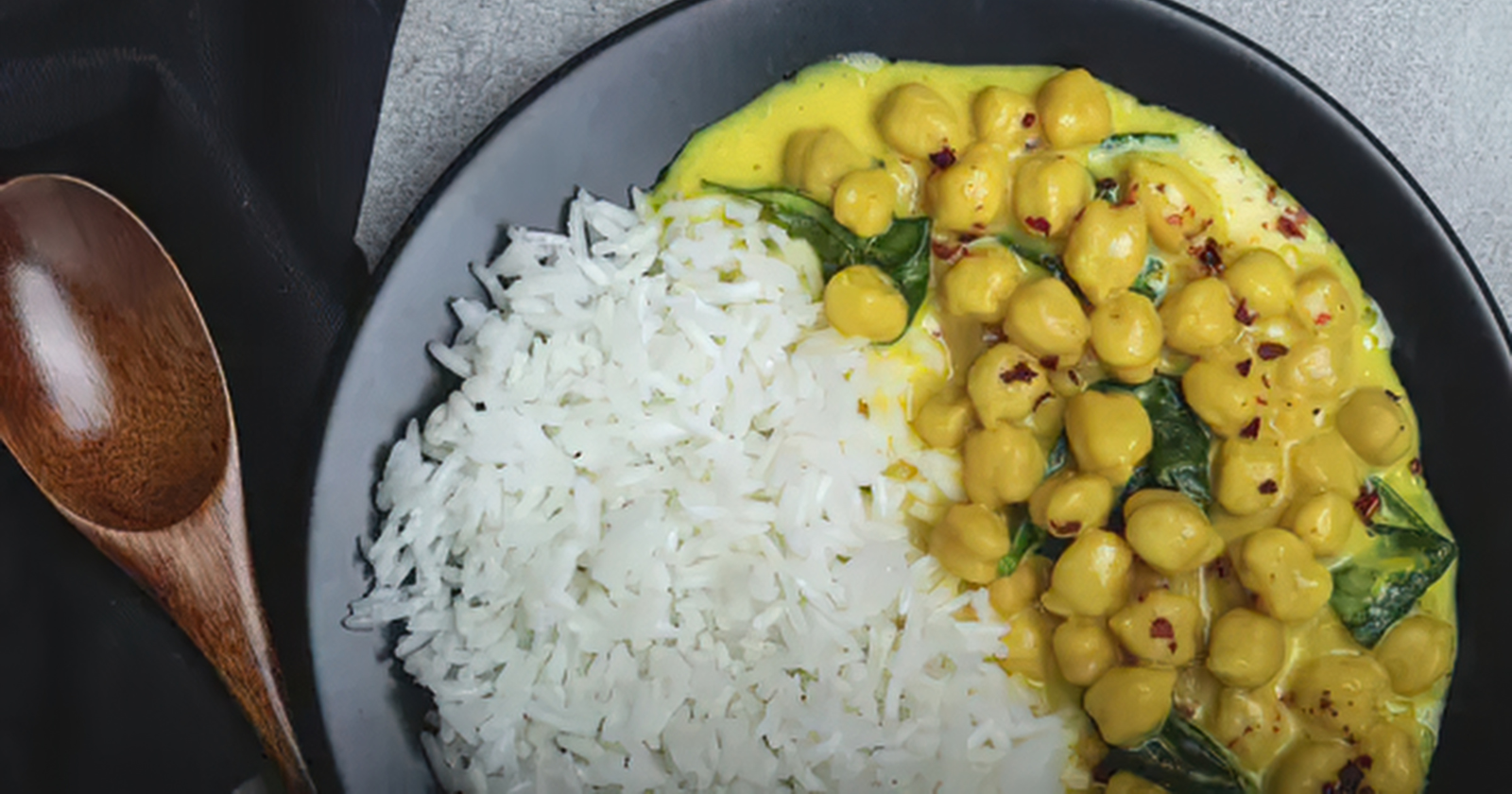
How to make a proper vegetarian green curry from scratch — the paste technique that makes all the difference
Most people think making green curry from scratch means dumping a bunch of ingredients in a blender and hoping for the best. I learned this the hard way during my first attempt years ago, ending up with something that tasted more like grass clippings than the complex, aromatic curries I’d fallen in love with in Thailand.
The real secret isn’t just about having the right ingredients. It’s about understanding how to build layers of flavor through proper paste preparation. Once you master this foundational technique, you unlock the ability to create restaurant-quality green curry that rivals anything you’ll find at your local Thai spot.
Why homemade paste changes everything
Store-bought green curry paste will get you halfway there, but making your own transforms the entire dish. The difference is like comparing dried herbs to fresh ones multiplied by ten. When you pound and grind fresh ingredients yourself, you release essential oils and create a texture that allows flavors to meld in ways that factory processing simply can’t replicate.
The process itself becomes a form of meditation. There’s something deeply satisfying about the rhythmic pounding of pestle against mortar, watching disparate ingredients transform into a cohesive, aromatic paste. It’s one of those kitchen tasks that forces you to slow down and be present.
I discovered this during a particularly stressful period when cooking became my escape. The physical act of making curry paste by hand turned into a grounding ritual, similar to tending the herbs on my balcony. Both require patience and attention, but reward you with something far greater than the sum of their parts.
Gathering your green curry arsenal
Before diving into technique, you need the right ingredients. Fresh is non-negotiable for most components. Hit up an Asian market if possible, though many regular grocery stores now stock what you need.
For the paste, gather fresh green chilies, shallots, garlic, lemongrass, galangal or ginger, cilantro roots and stems, Thai basil, makrut lime leaves, and lime zest. You’ll also need coriander seeds, cumin seeds, white peppercorns, and salt. Some recipes call for shrimp paste, but I skip it for a plant-based version without sacrificing depth of flavor.
For the curry itself, grab coconut milk, palm sugar or brown sugar, soy sauce, Thai basil leaves, and your choice of vegetables. I typically use Japanese eggplant, bell peppers, bamboo shoots, and green beans, but adapt based on what looks good at the market.
The vegetables matter more than you might think. Choose ones that hold their shape and absorb flavor well. Mushy vegetables will ruin the texture balance that makes green curry so satisfying.
The toast and pound technique
Here’s where most recipes fall short. They tell you to throw everything in a food processor and blend. While that works in a pinch, the traditional mortar and pestle method creates superior results through a specific sequence.
Start by dry-toasting your coriander seeds, cumin seeds, and white peppercorns in a pan until fragrant. This awakens dormant oils and adds a subtle smokiness. Let them cool completely before grinding into a fine powder in your mortar.
Next comes the critical layering process. Add ingredients to your mortar based on hardness, starting with the toughest. Begin with salt and garlic, pounding into a paste. The salt acts as an abrasive, helping break down the garlic efficiently. Add lemongrass next, then galangal, followed by chilies and shallots.
Each addition should be fully incorporated before moving to the next. This isn’t about speed. It’s about building a foundation where each ingredient contributes its essence to the whole. Think of it like developing habits or skills. You don’t try to master everything at once. You build systematically, ensuring each element is solid before adding complexity.
Finally, add your cilantro roots, lime leaves, and zest. These delicate ingredients need less pounding to release their oils. Overworking them diminishes their bright notes.
Building your curry like a pro
With your paste ready, the curry comes together quickly, but timing matters. Heat coconut cream (the thick part from the top of the can) in a wok or large pan over medium-high heat until it starts to separate and look oily. This is crucial. Many home cooks add the paste too early, before the coconut cream has properly separated.
Add your paste and fry it in the separated coconut cream for about three minutes. You’ll know it’s ready when the kitchen fills with an incredible aroma that makes your neighbors jealous. The frying process is essential for developing depth and removing any raw edge from the aromatics.
Pour in the remaining coconut milk, then add your palm sugar and soy sauce. Bring to a gentle simmer. Now add your firmest vegetables first. Eggplant and green beans go in before bell peppers. Each vegetable has its own cooking time, and respecting these differences ensures everything reaches perfect doneness simultaneously.
Simmer until vegetables are tender but still have bite, usually about eight to ten minutes. Taste and adjust seasoning. You’re looking for balance between spicy, sweet, salty, and creamy. Trust your palate here. Recipes provide guidelines, but your taste buds make the final call.
Elevating through intentional choices
The difference between good green curry and exceptional green curry often comes down to small, intentional decisions. Use Thai basil instead of regular basil for authentic flavor. Tear the leaves rather than chopping to preserve their oils. Add them at the very end, off the heat, to maintain their vibrant color and fresh taste.
Consider texture variety in your vegetable selection. Combine something crunchy like bamboo shoots with something creamy like eggplant and something snappy like green beans. This creates interest in every bite.
Temperature matters too. Serve immediately while the curry is hot and the aromatics are at their peak. Room temperature green curry loses much of its impact. I learned this principle applies broadly to life as well. Timing and presence determine whether experiences feel vibrant or dulled.
Making it your own
Once you understand the fundamental technique, experimentation becomes natural. Maybe you prefer more heat or less sweetness. Perhaps you want to add kafir lime leaves directly to the curry for extra citrus notes. The paste technique remains constant, but the final dish becomes uniquely yours.
I’ve made versions with roasted kabocha squash in fall, fresh corn and green beans in summer, and hearty root vegetables in winter. The base technique adapts beautifully to seasonal availability and personal preference.
This adaptability mirrors how we approach personal growth. Master the fundamentals first, then customize based on what serves you best. There’s no single perfect way to make green curry, just as there’s no single path to wellbeing.
Final thoughts on mastery
Making proper green curry from scratch isn’t quick or effortless, but that’s precisely what makes it worthwhile. The paste technique I’ve outlined transforms simple ingredients into something extraordinary through patience and proper method.
Every time I make green curry now, I’m reminded of those early failures and how far simple persistence can take you. Whether you’re developing a new skill or perfecting a recipe, the principles remain the same. Focus on fundamentals, respect the process, and don’t rush the parts that matter most.
Your first homemade green curry might not be perfect, but it will be yours. And once you taste the difference that properly made paste creates, you’ll understand why some techniques are worth preserving, worth practicing, and worth passing on.