
Why I stopped calling it meal prep and started calling it Sunday cooking — and how that small shift changed the whole week
I’ll admit something embarrassing: I used to hide my meal prep containers when friends came over.
There they were, stacked in military precision in my fridge, and I’d shuffle them behind the milk and leftovers like some shameful secret.
It wasn’t the food itself I was hiding—it was what those containers represented.
The joyless Sunday assembly line.
The obligation eating.
The whole performative wellness routine that felt more like punishment than care.
Then, about six months ago, I stopped calling it meal prep.
I started calling it Sunday cooking instead.
And somehow, that tiny language shift changed everything about my relationship with feeding myself and my family.
The problem with “meal prep”
Meal prep sounds like homework.
Like something you should do, not something you want to do.
It conjures images of bodybuilders with their chicken and broccoli, of influencers with their rainbow-perfect containers, of efficiency over everything else.
The phrase itself suggests that cooking is just preparation for eating, rather than something worthwhile on its own.
I noticed how the language affected my whole approach.
On meal prep Sundays, I’d procrastinate until noon, then rush through recipes I’d chosen purely for their refrigerator longevity.
I’d chop vegetables with the grim determination of someone doing burpees—necessary, beneficial, but absolutely no fun.
The whole exercise felt like stealing time from my weekend to make the weekdays marginally easier.
Working in marketing taught me that words create reality.
We spent hours debating whether something was “refreshing” or “revitalizing,” knowing that each word would shape how people experienced the product.
Yet here I was, framing one of my most consistent self-care practices with language that made it feel like drudgery.
What Sunday cooking looks like instead
Sunday cooking starts with coffee and consideration.
What do I actually want to eat this week?
Not what’s most efficient or virtuous, but what sounds genuinely good?
Maybe it’s that lemony chickpea stew I’ve been bookmarking, or the roasted vegetable grain bowls that my husband keeps requesting.
The kitchen becomes a different space when you’re cooking rather than prepping.
Music replaces the mental countdown timer.
I taste and adjust rather than following recipes robotically.
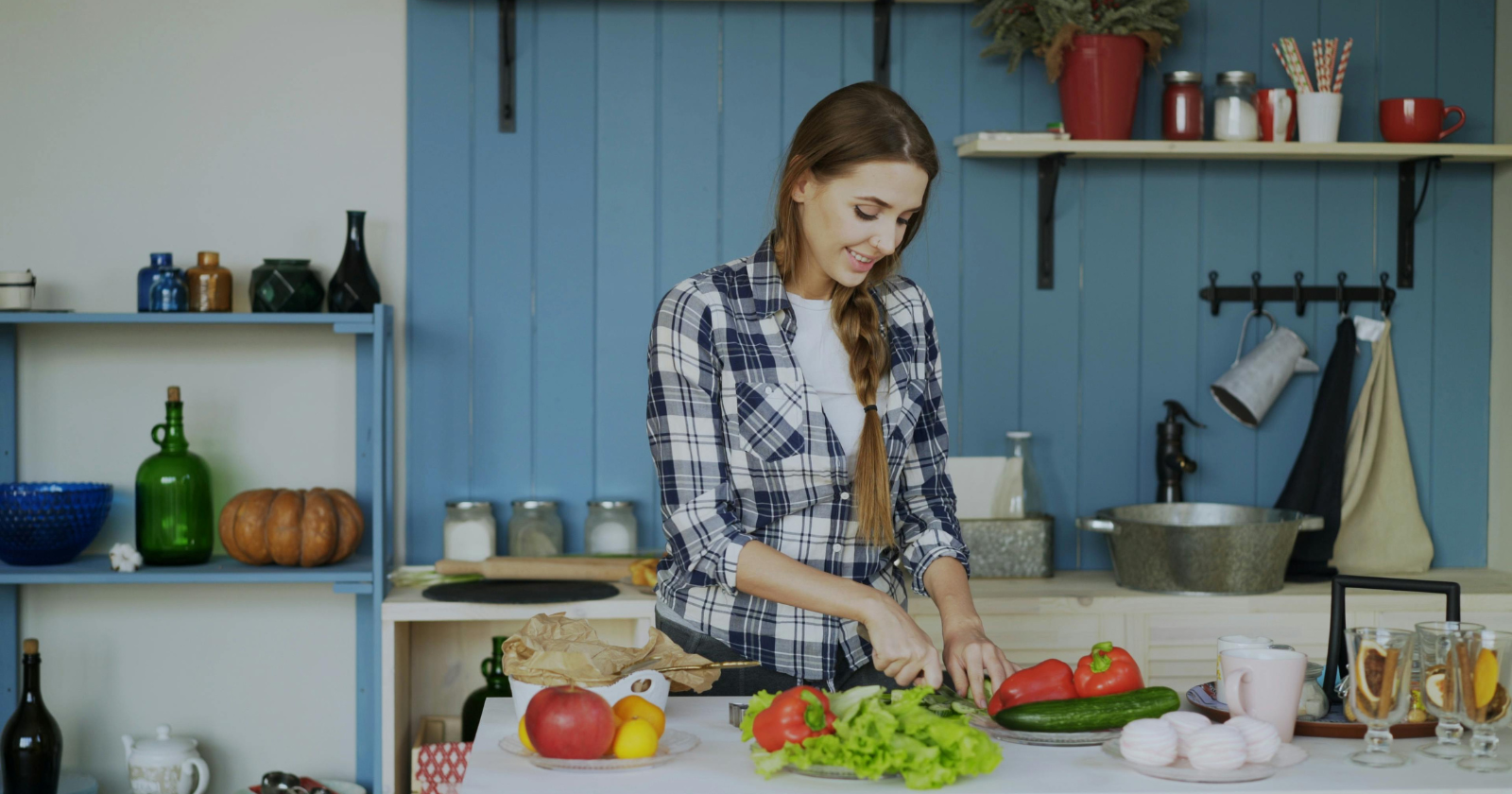
Sometimes my husband wanders in and we chat while he helps chop peppers.
Sometimes I work alone, letting my mind wander while my hands stay busy.
Both feel equally nourishing.
Last Sunday, I made a huge batch of dal, roasted two sheet pans of cauliflower and sweet potatoes, cooked a pot of farro, and whisked together three different dressings.
The same components I might have made during my meal prep era, but the experience felt completely different.
I was cooking—actually cooking—not just processing ingredients for future consumption.
The shift from efficiency to presence
Meal prep optimization videos promise you can batch-cook a whole week’s meals in one hour.
Sunday cooking doesn’t care about speed records.
It takes the time it takes, usually around two hours, sometimes more if I’m trying something new or particularly elaborate.
This slower pace changes everything.
When you’re not racing, you notice things. The way carrots smell slightly sweet as they roast.
The satisfying sound of mustard seeds popping in hot oil.
The transformation of dried lentils into something creamy and comforting.
These aren’t observations you make when you’re meal prepping.
They’re what you notice when you’re cooking.
My baby’s weekend nap schedule actually helped solidify this ritual.
Those two hours while he sleeps have become sacred kitchen time.
Not frantic food assembly, but genuine cooking that happens to yield multiple meals.
Why Sunday cooking feeds more than just the week ahead
Here’s what surprised me most: Sunday cooking became creative time.
After years of solving problems in marketing meetings, my brain still craves that kind of engagement.
Now it happens over the cutting board.
What if I add miso to this vegetable soup?
Could tahini work in this grain salad?
The experimentation that meal prep efficiency doesn’t allow becomes the whole point.
The food tastes different too.
Not because I’m using better ingredients or fancier recipes, but because care went into it.
When Thursday rolls around and I’m assembling lunch from Sunday’s cooking, I’m not eating meal prep container number four.
I’m eating the farro that I cooked with bay leaves and vegetable stock, the cauliflower I roasted until the edges turned golden, the tahini dressing I adjusted three times until it tasted exactly right.
My relationship with vegetables particularly transformed.
As a vegetarian, vegetables aren’t side dishes—they’re the main event.
Sunday cooking gave me permission to treat them that way.
To take the time to cut butternut squash into perfect cubes that roast evenly.
To massage the kale for that grain salad.
To make vegetables the way they deserve to be made, not just the quickest way possible.
The practical magic of reframing
You might have read my post on finding rituals in routine tasks, and this exemplifies that perfectly.
The actual activities haven’t changed dramatically.
I still batch-cook grains, roast vegetables, make big pots of soup or stew.
The containers still get labeled and stacked in the fridge.
But the energy around it has shifted completely.
Some practical changes supported this mental shift.
I moved my cooking time earlier, so it feels like part of my morning routine rather than eating into Sunday afternoon.
I started choosing music specifically for cooking—usually jazz or something mellow that makes the kitchen feel like a fancy restaurant.
I bought a few better storage containers, glass ones that make the food visible and appealing rather than hiding it in cloudy plastic.
Most importantly, I stopped apologizing for it.
No more “Sorry, I’m just meal prepping” when someone calls during cooking time.
Now it’s “I’m cooking—can I call you back?”
That linguistic shift signals to others and myself that this time matters.
Finding your own Sunday cooking
Your version might look different.
Maybe it’s Saturday cooking, or Wednesday night after the kids go to bed.
Maybe it’s just one big pot of something wonderful that becomes three different dinners.
The point isn’t the specific format—it’s the shift from viewing batch-cooking as a chore to experiencing it as actual cooking.
Words matter.
They shape our experience more than we realize.
Meal prep will always sound like optimization and obligation to me.
But Sunday cooking? That sounds like abundance.
Like care. Like the kind of ritual that anchors a good week.
This Sunday, when ten o’clock comes around and I tie on my apron, I won’t be meal prepping.
I’ll be cooking—stirring, tasting, creating food that will nourish us through the busy days ahead.
The distinction might seem semantic, but I promise you, it changes everything.