
The one spice habit that separates good vegetarian cooking from great — and it takes less than 60 seconds
You know that moment when you taste someone’s dal or chickpea curry and it just hits different?
The spices sing, the flavors pop, and you’re left wondering why your version tastes flat even though you used the exact same recipe.
I’ve been there.
For years, I’d follow vegetarian recipes to the letter, measuring out my cumin and coriander precisely, yet something was always missing.
My dishes were fine, sure. But they weren’t memorable.
They definitely weren’t the kind that made people ask for seconds or request the recipe.
Then, during a visit to an Indian restaurant kitchen in Manhattan, I watched a cook prepare a simple vegetable dish.
Before adding the spices to the hot oil, they did something that changed everything for me.
They toasted them first in a dry pan for about 30 seconds until they released their aroma.
That simple move transformed ordinary spices into something extraordinary.
The secret lives in dormant spices
Most of us treat spices like they’re ready to go straight from the jar.
We dump them into hot oil or sprinkle them directly into simmering sauces.
But here’s what we’re missing: whole spices are essentially sleeping.
Their essential oils and flavor compounds are locked inside, waiting to be awakened.
Toasting spices before using them is like the difference between fresh coffee and instant.
Both will give you caffeine, but only one will make you actually want to drink it.
When you apply dry heat to whole spices, you’re triggering a chemical reaction that releases volatile oils and creates new flavor compounds through something called the Maillard reaction.
This isn’t some fancy chef technique that requires special equipment or years of training.
All you need is a pan and less than a minute.
Yet this one habit completely transforms the depth and complexity of vegetarian dishes, where spices often carry the entire flavor profile.
Why vegetarian cooking especially need this technique
Meat brings its own umami and fat to dishes, creating natural depth.
In vegetarian cooking, we rely on layers of flavor from plants, and spices do the heavy lifting.
When those spices are operating at 50% capacity because they haven’t been toasted, your entire dish suffers.
I learned this the hard way when I shifted toward more plant-based cooking.
My initial attempts at making classic dishes like chana masala or vegetable biryani tasted like they were missing something fundamental.
Adding more spices didn’t help.
In fact, it made things worse, creating a muddy, overwhelming flavor profile.
The transformation happened when I started toasting.
Suddenly, a teaspoon of cumin seeds could carry an entire dish.
Coriander seeds went from background player to star performer.
Even black pepper, which I’d always considered pretty straightforward, revealed layers of complexity I’d never noticed.
Growing herbs on my apartment balcony taught me something valuable about plant flavors.
Fresh herbs release their oils when you crush them between your fingers.
Dried spices work similarly, but they need heat instead of physical pressure to release their potential.
Once I understood this connection, cooking became more intuitive.
The 60-second technique that changes everything
Here’s exactly how to do it.
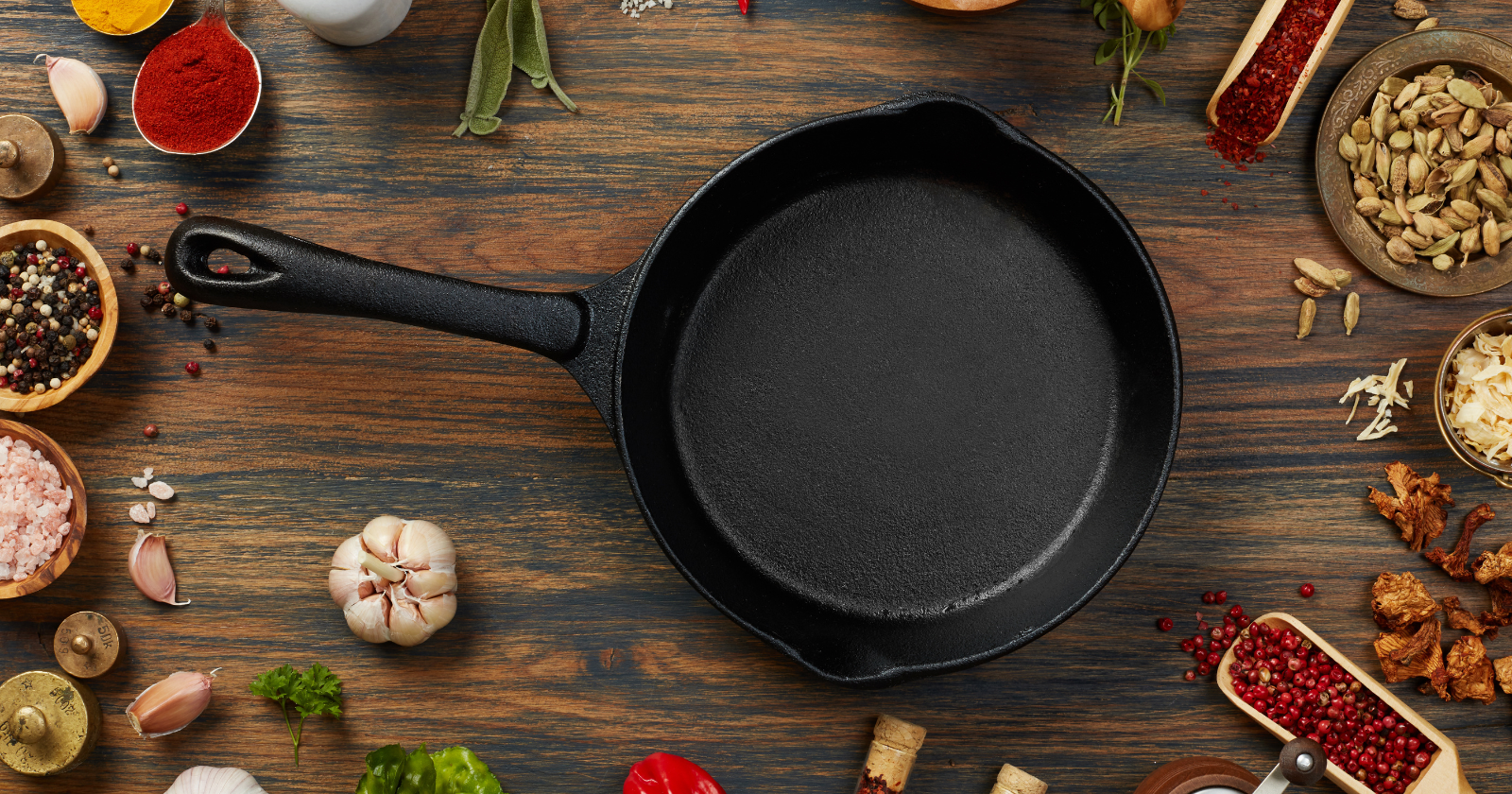
Heat a dry pan over medium heat.
No oil, no water, nothing.
Add your whole spices and keep them moving.
Within 20 to 30 seconds, you’ll smell them getting fragrant.
At around 45 seconds, they might start to darken slightly.
By 60 seconds, they’re done.
The key is to trust your nose more than your timer.
When the kitchen suddenly smells incredible, you’re there.
Different spices toast at different rates, so if you’re using multiple types, add the larger, denser ones first.
Coriander seeds take longer than cumin.
Cinnamon sticks need more time than cardamom pods.
Once toasted, you have options.
Grind them immediately in a spice grinder for maximum freshness, or use them whole if the recipe calls for it.
Either way, they’re now operating at full capacity.
The difference in your final dish will be obvious from the first bite.
I’ve made this such an automatic part of my cooking routine that I do it while other ingredients prep.
Onions chopping? Spices toasting. Water boiling? Spices toasting.
It adds virtually no time to your cooking but multiplies the flavor exponentially.
Which spices benefit most from toasting
Not all spices are created equal when it comes to toasting.
Whole spices benefit dramatically, while ground spices can burn easily and turn bitter.
Cumin seeds, coriander seeds, fennel seeds, and mustard seeds are absolute game-changers when toasted.
They go from one-note to orchestral.
Cinnamon sticks, cardamom pods, and whole cloves release incredible aromatics when toasted.
Star anise and black peppercorns develop sweetness and complexity.
Even sesame seeds, which technically aren’t a spice, become nutty and irresistible with a quick toast.
Ground spices are trickier.
Turmeric burns easily and turns bitter.
Paprika can go from sweet to acrid in seconds.
If you must toast ground spices, do it at very low heat for just 10 to 15 seconds, and stay vigilant.
Fresh spices like ginger and garlic don’t toast well dry.
They need oil to cook properly without burning.
Save these for after your whole spices have been toasted, and you’ve added fat to the pan.
Common mistakes that ruin the magic
The biggest mistake is using heat that’s too high.
You want to coax the flavors out, not scorch them into submission.
Medium heat is your friend. High heat is the enemy of flavor development.
Another common error is toasting ground spices the same way as whole ones.
Ground spices have more surface area exposed to heat, so they burn faster than you can say “curry.”
If a recipe calls for ground spices, consider buying whole ones, toasting them, then grinding them yourself.
The flavor difference is staggering.
Walking away from the pan is another recipe for disaster.
Toasting spices requires your full attention for that minute.
I’ve ruined plenty of spices by thinking I could quickly check my phone or grab something from the fridge.
Burnt cumin seeds are bitter and will ruin your entire dish.
Stay present, keep them moving, and remove them from the heat the second they’re ready.
Some people try to toast spices in oil thinking it’s the same thing. It’s not.
Oil conducts heat differently than a dry pan, and you won’t get the same flavor development.
Toast dry first, then add oil if your recipe requires it.
Beyond the technique
This simple practice taught me something bigger about cooking and life.
Small, intentional actions compound into significant results.
Just like how meditation doesn’t require hours of sitting to be effective, great cooking doesn’t always demand complicated techniques or expensive ingredients.
The discipline of staying present for those 60 seconds while spices toast has become almost meditative for me.
It’s a moment to focus solely on one task, to engage my senses fully, and to be patient with the process.
In our rush to get dinner on the table, we often skip these small steps that make the biggest difference.
Once you start toasting your spices, you’ll notice the change immediately.
Your vegetarian dishes will have depth and complexity that rivals any restaurant.
Friends will start asking what’s different about your cooking.
You might even find yourself looking forward to that aromatic moment when the spices release their fragrance.
Start tonight
Pick one dish you’re making this week.
Before you add your spices, give them a minute in a dry pan.
Watch them dance, smell them bloom, and taste the difference in your final dish.
This isn’t about perfection or getting it exactly right the first time.
It’s about starting a habit that will transform every vegetarian meal you make from now on.
The best techniques in cooking are often the simplest ones.
They don’t require special equipment or years of practice.
They just need you to show up, pay attention, and give them a shot.
Toasting spices is exactly that kind of technique.
Simple, quick, and absolutely transformative.
Your vegetarian cooking is about to level up.
All it takes is 60 seconds and a willingness to try something new.
Trust me, once you taste the difference, you’ll never go back to sleeping spices again.