
High-protein vegetarian recipes for post-workout recovery
You just crushed a workout. Your muscles are screaming. And now you’re staring into your fridge wondering what the hell to eat that’ll actually help you recover.
Here’s the thing: vegetarian protein doesn’t have to mean sad protein shakes or rubbery tofu. With the right combinations, you can hit 25-40 grams of protein per meal while actually enjoying what you eat.
These recipes are built for real recovery, using ingredients that work together to give your body what it needs after training.
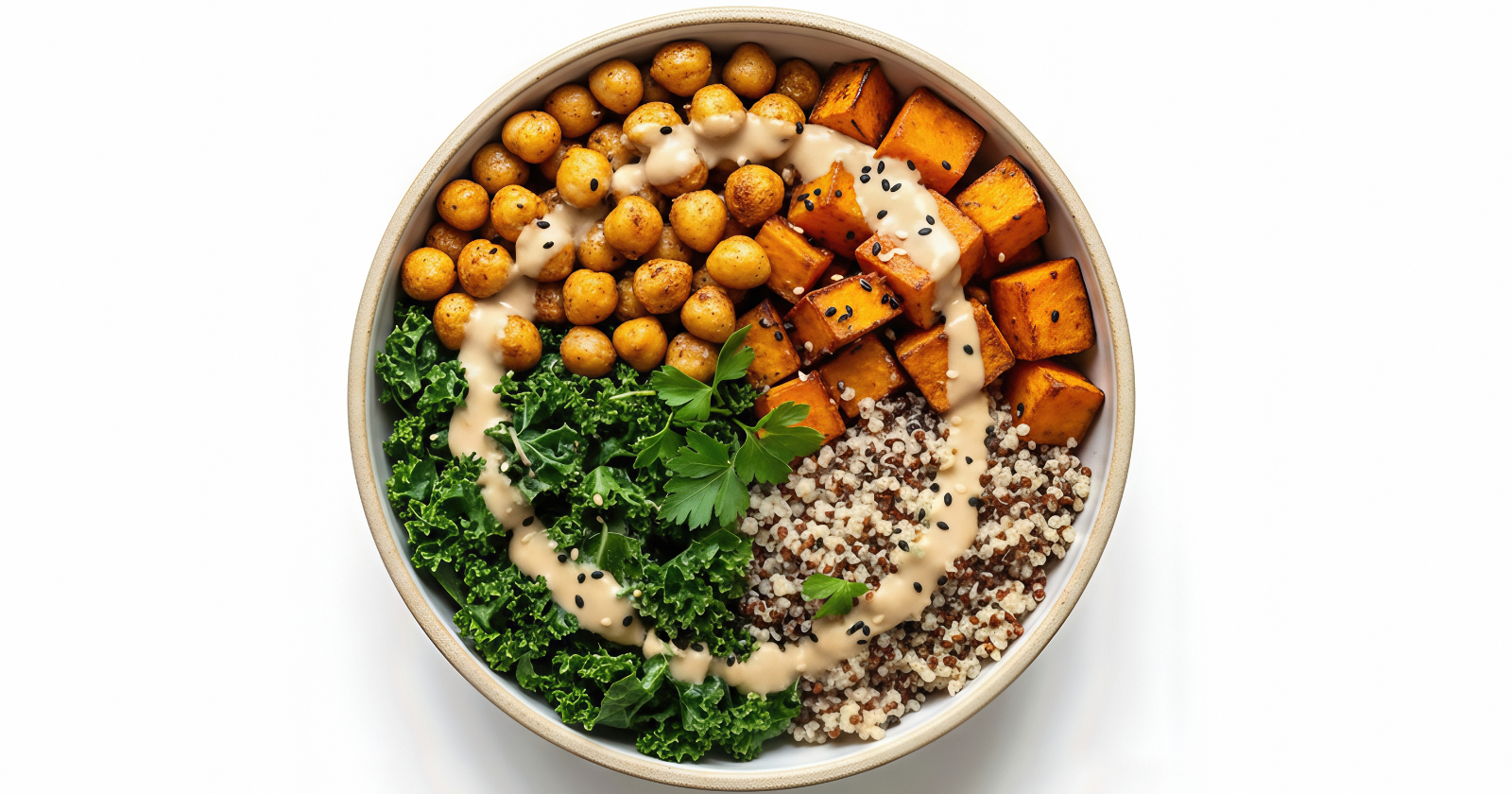
1) Spiced chickpea and quinoa power bowl
This one’s a complete protein bomb. Quinoa brings all nine essential amino acids to the table, and chickpeas add bulk plus fiber to keep you full for hours.
Roast your chickpeas with cumin, smoked paprika, and a touch of cayenne until they’re crispy on the outside.
Layer them over fluffy quinoa with roasted sweet potato, a handful of spinach, and a tahini-lemon drizzle. The tahini adds extra protein and healthy fats that help with nutrient absorption.
The key here is getting those chickpeas properly crispy. Dry them thoroughly after draining and don’t overcrowd the pan. You want caramelization, not steaming. This bowl delivers around 28 grams of protein and tastes like something you’d pay $18 for at a trendy lunch spot.
2) Cottage cheese protein pancakes
I started making these after a running buddy mentioned he’d been eating cottage cheese straight from the container post-run. Seemed barbaric. So I found a better way.
Blend cottage cheese with oats, eggs, and a ripe banana until smooth. Cook them like regular pancakes but expect them to be thicker and fluffier. Top with Greek yogurt, fresh berries, and a drizzle of honey or maple syrup.
Three medium pancakes give you roughly 35 grams of protein. The combination of fast-digesting whey from the cottage cheese and slower-digesting casein makes this ideal for muscle repair. Plus, you can batch-cook these on Sunday and reheat them all week. They hold up surprisingly well.
3) Black bean and tempeh tacos
Tempeh is criminally underrated. It’s fermented, which means better gut health and easier protein absorption. And when you crumble and season it right, it mimics ground meat better than any other plant protein I’ve tried.
Crumble tempeh into a hot pan with olive oil, then add cumin, chili powder, garlic, and a splash of soy sauce. Let it get slightly crispy before mixing in black beans. Serve in corn tortillas with avocado, pickled onions, and a squeeze of lime.
The tempeh-bean combination is smart nutrition. As noted by sports dietitian Nancy Clark, combining legumes with fermented soy creates a more complete amino acid profile than either alone. Each taco packs about 12 grams of protein, so two or three will set you up nicely.
4) Greek yogurt protein bark
Sometimes you need something cold and easy after training. This takes five minutes to prep and lives in your freezer for whenever you need it.
Spread thick Greek yogurt onto a parchment-lined baking sheet. Drizzle with nut butter, then scatter pumpkin seeds, dark chocolate chips, and dried cherries on top. Freeze until solid, then break into chunks.
It sounds almost too simple, but that’s the point. A few chunks give you 15-20 grams of protein with minimal effort. The pumpkin seeds add zinc, which research from the Journal of the International Society of Sports Nutrition links to faster muscle recovery.
Store pieces in a freezer bag and grab them whenever you need a quick hit.
5) Lentil and egg shakshuka
Traditional shakshuka is already great. Adding lentils makes it a recovery meal worth building your day around.
Simmer red lentils in a spiced tomato sauce with onions, garlic, cumin, and a pinch of harissa or chili flakes. Once the lentils are tender, create wells and crack eggs directly into the sauce. Cover and cook until the whites set but the yolks stay runny.
Serve straight from the pan with crusty bread for dipping. The combination of lentil protein, egg protein, and complex carbs from the bread covers all your post-workout bases. One generous serving delivers around 30 grams of protein. Make extra sauce and refrigerate it. Tomorrow’s recovery meal is already half done.
6) Peanut butter tofu stir-fry
The secret to tofu that doesn’t suck? Press it, cube it, and get your pan screaming hot before it goes in. No exceptions.
Press extra-firm tofu for at least 20 minutes, then cube and pan-fry until golden on all sides. Toss with broccoli, snap peas, and bell peppers. Coat everything in a sauce made from peanut butter, soy sauce, rice vinegar, ginger, and garlic. Serve over brown rice or rice noodles.
Peanut butter does double duty here. It adds protein while creating a sauce that actually clings to the tofu instead of sliding off. The whole bowl hits about 32 grams of protein and reheats well for lunch the next day. Just keep the sauce separate if you’re meal prepping, or it gets too thick.
7) Edamame and white bean hummus with seed crackers
When you want protein without turning on the stove, this is your move.
Blend edamame and white beans with tahini, lemon juice, garlic, and olive oil until smooth. Season aggressively with salt and a touch of cumin. Serve with seed crackers or veggie sticks for dipping.
This isn’t your standard chickpea hummus. The edamame adds a fresher, slightly sweeter flavor while boosting the protein content significantly. A quarter cup of this hummus with crackers gives you about 15 grams of protein.
Keep a container in your fridge and you’ve always got a solid post-workout snack ready. It lasts about five days before the color starts to dull.
The bottom line
Recovery eating doesn’t require complicated supplements or forcing down food you hate. These recipes prove you can hit serious protein numbers with real ingredients that taste good.
The pattern is simple: combine complementary proteins, don’t skip healthy fats, and make things you’ll actually want to eat again. Your muscles don’t care if your protein came from a powder or a well-made bowl of lentils. They just need the building blocks to repair.
Pick two or three of these to try this week. See what fits your schedule and your taste. That’s how sustainable nutrition works.