
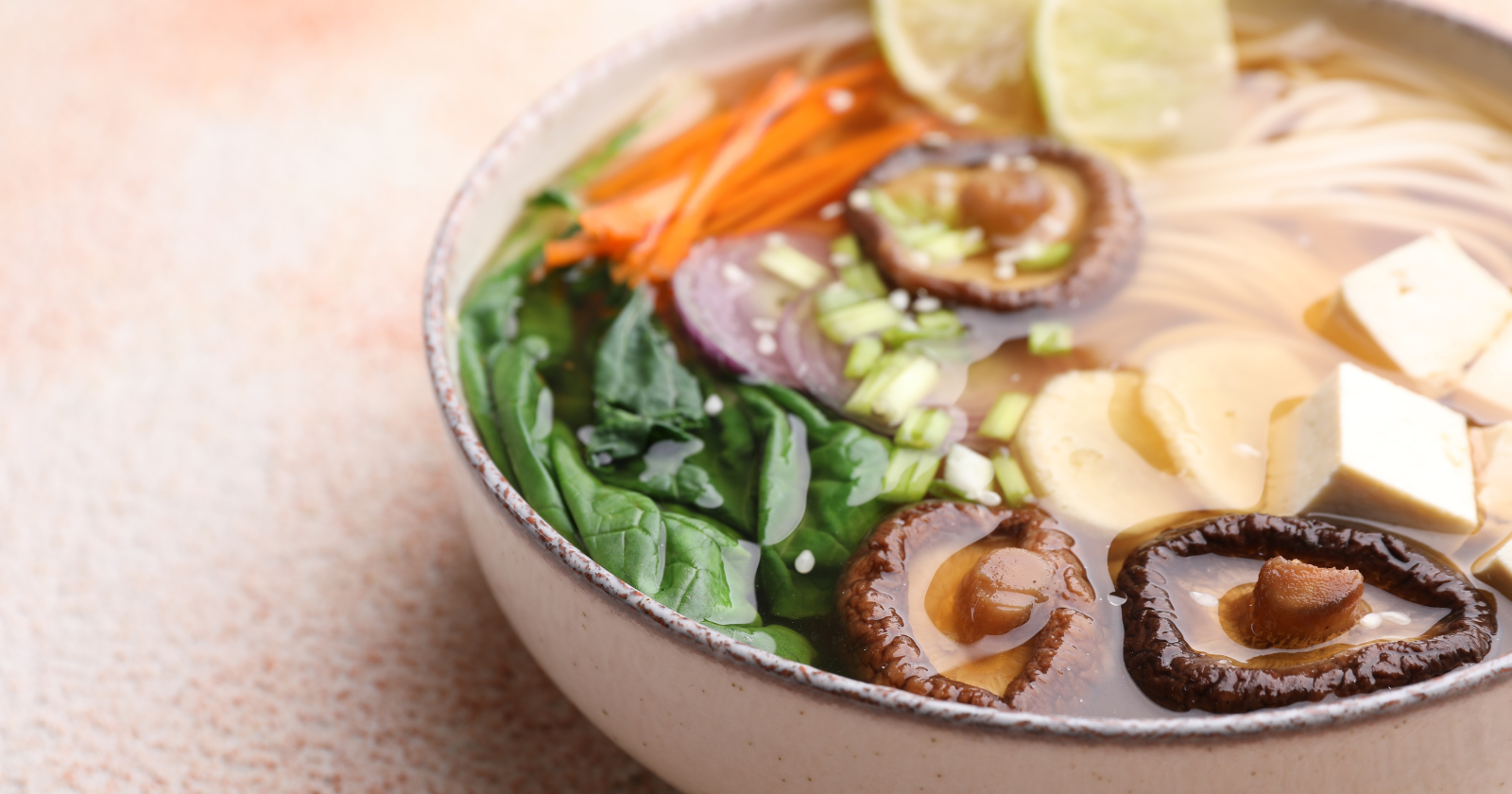
How to make a vegetarian ramen that actually tastes rich and complex — the broth technique that makes all the difference
There was an encounter that sent me down a rabbit hole of broth experimentation that transformed how I approach not just ramen, but cooking in general.
The technique I learned isn’t complicated, but it requires a shift in thinking about how flavors develop.
Why most vegetarian ramen falls flat
Most recipes tell you to simmer some mushrooms and kombu for 30 minutes and call it a day. The result? Flavored water that leaves you disappointed and reaching for the soy sauce bottle.
The problem is that we’re trying to replicate meat-based techniques with plant ingredients. It’s like trying to run a marathon using a sprinting strategy. The ingredients are capable of greatness, but they need a different approach.
Traditional tonkotsu broth gets its richness from collagen breaking down over 12-24 hours of boiling. Plant-based ingredients don’t have collagen, but they have something else: complex sugars and proteins that, when treated right, create their own kind of magic.
The real breakthrough comes when you stop trying to imitate and start working with what vegetables actually want to give you. This shift in mindset applies beyond the kitchen. Sometimes the best solution isn’t copying what works for others but finding your own path with the tools you have.
The roasting revelation
Here’s where everything changes: before anything touches water, you roast half your vegetables until they’re deeply caramelized, almost burnt at the edges.
I stumbled onto this during a particularly frustrating Saturday when my fourth attempt at vegetarian ramen still tasted like mushroom tea. In frustration, I threw some onions and mushrooms under the broiler and forgot about them while dealing with a work call. When I returned to slightly charred vegetables, I figured why not add them to the pot.
That accident became my foundation. Roasting creates compounds that simmering alone never will. You’re building flavor from multiple angles, not just extracting what’s already there.
For the best results, quarter two onions, slice a head of garlic in half horizontally, and spread out about 8 ounces of mushrooms. Toss them with oil and roast at 425°F for 40 minutes, turning once. You want real color here, not just softened vegetables.
The double extraction method
This technique completely changed my ramen game. Instead of one long simmer, you extract flavor in two distinct stages, each targeting different compounds.
First, add your roasted vegetables to cold water with kombu, dried shiitakes, and fresh ginger. Bring it slowly to 176°F and hold it there for 45 minutes. This lower temperature pulls out delicate, sweet flavors that higher heat would destroy.
Then strain everything out, press the solids to extract every drop, and return the broth to the pot. Now add your second round of fresh ingredients: more mushrooms, scallion greens, celery, and a small piece of kombu. Bring this to a gentle simmer and maintain it for another 90 minutes.
This two-stage process mirrors something I’ve learned about personal growth. Initial efforts often yield quick results, but real depth comes from returning to the work with fresh perspective and patience.
Building the umami bomb
While your broth develops, you need to create what I call the umami bomb. This concentrated paste becomes your flavor insurance policy.
In a dry pan, toast 2 tablespoons of white miso until fragrant. Add a tablespoon each of tahini and cashew butter, stirring constantly. Once combined, add a teaspoon of mushroom powder and a tablespoon of nutritional yeast.
This mixture might seem excessive, but it serves the same function as the suspended fats in tonkotsu. When whisked into your finished broth, it adds body and that coating quality that makes each sip satisfying.
I learned about layering flavors like this from observing how different culinary traditions build complexity through multiple spice additions at different stages, each adding its own dimension. The same principle applies here.
The finishing touches that matter
Your broth is only part of the equation. The tare (seasoning base) and aromatic oil complete the trinity of great ramen.
For the tare, combine soy sauce, mirin, and a touch of rice vinegar with some of your umami bomb. This gets added to each bowl individually, allowing you to adjust intensity per serving.
The aromatic oil is where you can get creative. I infuse neutral oil with garlic, ginger, and whatever dried chilies I have on hand. Sometimes I’ll add sesame oil at the end for extra richness. This floating layer on top of your ramen carries aroma to your nose with each spoonful.
These elements work like the different aspects of a well-rounded life. The broth is your foundation, the tare adds personality, and the oil provides that extra something that makes the whole greater than its parts.
Pulling it all together
When assembly time comes, everything needs to move quickly. Your bowls should be warm, your toppings ready, your noodles cooking.
Add 2 tablespoons of tare to each bowl, ladle in your hot broth, and whisk to combine. Drain your noodles slightly early (they’ll finish cooking in the hot broth) and nestle them in. Top with whatever you love: soft-boiled eggs, roasted mushrooms, blanched greens, nori, sesame seeds.
The first time you nail this process, you’ll understand why it matters. It’s not just about the end result but about proving to yourself that limitations often exist more in our minds than in reality.
Making this sustainable
I know what you’re thinking. This sounds like a weekend project, not a Wednesday dinner. You’re right, but here’s the thing: this broth freezes beautifully.
I make a triple batch once a month, portion it into containers, and freeze. The umami bomb keeps for weeks in the fridge. The tare lasts even longer. Suddenly, incredible ramen becomes a 15-minute meal.
This approach has taught me something about sustaining any practice. Front-loading effort when you have energy makes maintaining standards easier when life gets hectic. Whether it’s meal prep or meditation, setting yourself up for success matters more than perfect execution every time.
The journey from disappointing vegetarian ramen to bowls that rival any restaurant took me through countless experiments and failures. But that’s exactly the point. Real satisfaction comes not from following someone else’s blueprint but from understanding principles deeply enough to make them your own.
Your first batch might not be perfect. Mine certainly wasn’t. But with each attempt, you’ll understand the process better, adjust to your taste, and eventually create something uniquely yours. That’s worth more than any recipe.