
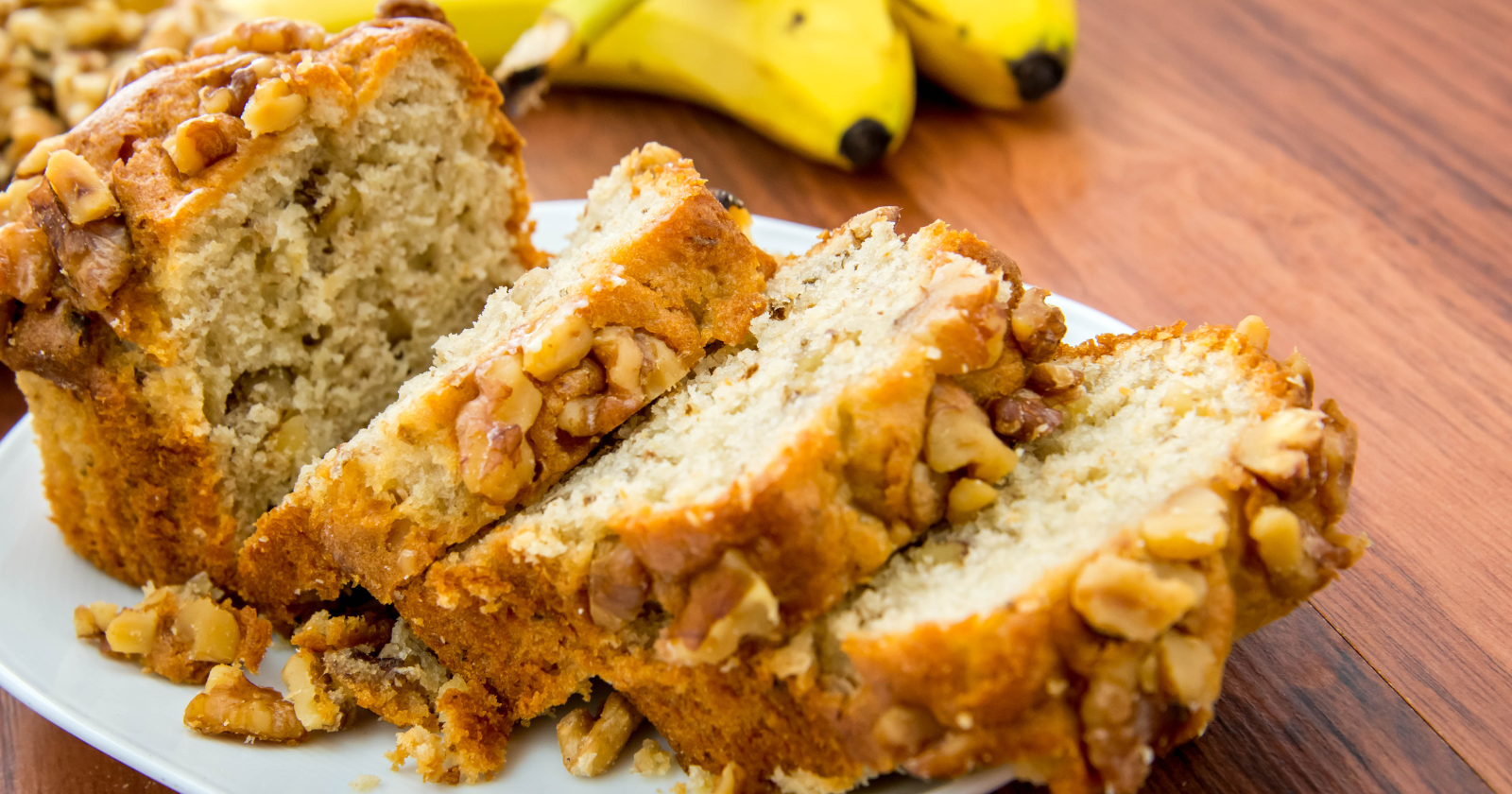
The banana bread recipe I keep coming back to — properly moist, not too sweet, and better on day two
I’ve been making banana bread for five years, and for the first few years, every loaf was a gamble. Too dry, too dense, weirdly gummy in the middle, or sweet enough to make your teeth ache.
Then one morning, while journaling at 5:30 AM with a slice of yet another disappointing loaf beside me, I had a realization. I was treating banana bread like a performance rather than a practice. Always chasing the perfect recipe instead of understanding what actually makes it work.
That shift in mindset changed everything. Not just my banana bread, but how I approach cooking in general. Once I stopped collecting recipes and started paying attention to the why behind each ingredient and technique, I developed this recipe that never fails me. It’s become my meditation in mixing bowl form.
Why most banana bread disappoints
The biggest mistake people make with banana bread is treating it like cake. They cream butter and sugar until fluffy, beat the hell out of the batter, and wonder why they end up with something tough and dry. Banana bread wants to be handled gently, almost carelessly.
The second issue is sugar. Most recipes call for way too much. Your bananas are already sweet. Adding a cup or more of sugar on top turns breakfast into dessert. This recipe uses just enough to create structure and a hint of caramelization on the crust.
Temperature matters too. Everyone’s in such a rush. They crank the oven to 375°F thinking it’ll bake faster. All that does is create a dark crust while leaving the center underbaked. Low and slow wins this race.
The bananas make all the difference
You want bananas that look terrible. I’m talking about the ones you’d normally toss or freeze for smoothies. Black spots everywhere, maybe even fully black. If they’re just yellow with a few brown freckles, leave them on the counter for another three days.
Here’s what happens as bananas ripen: starches convert to sugars, the fruit breaks down and becomes almost liquidy, and complex flavors develop that you’ll never get from yellow bananas. This natural sweetness and moisture is what makes great banana bread possible with less added sugar and fat.
I keep a bowl on my counter specifically for banana bread candidates. When bananas hit that sweet spot of ugliness, I either bake immediately or peel and freeze them. Frozen bananas work brilliantly. Just thaw them completely and drain off the excess liquid before mashing.
The recipe that never fails
Start with three very ripe bananas, mashed until mostly smooth but with a few small chunks for texture. Add one beaten egg, a third cup of melted butter (not hot, just liquid), and a third cup of brown sugar. Mix these wet ingredients until just combined.
In go three quarters of a cup of all-purpose flour, half a cup of whole wheat flour, a teaspoon of baking soda, and half a teaspoon of salt. The whole wheat flour isn’t trying to be healthy. It adds a nuttiness and structure that all-purpose alone can’t match.
Here’s the crucial part: fold everything together with a spatula until you can’t see dry flour anymore, then stop. The batter will look lumpy and undermixed. Perfect. Every extra stir develops gluten, making your bread tough.
Pour into a greased 9×5 loaf pan and bake at 325°F for 60 to 65 minutes. You’ll know it’s done when a toothpick inserted in the center comes out with just a few moist crumbs clinging to it.
The day two phenomenon
Most quick breads improve after resting, but banana bread transforms. On day one, it’s good. Moist, flavorful, everything you want. But something magical happens overnight.
The moisture redistributes throughout the loaf, evening out any dry spots. The flavors meld and deepen. The texture becomes almost custardy. The crust softens slightly while maintaining just enough structure to hold up to toasting.
This is where patience becomes practice. In our instant gratification world, waiting a full day to enjoy something at its best feels radical. But like most things worth doing, the wait makes it better.
I learned this lesson the hard way during my divorce a few years ago. I wanted everything resolved immediately, every emotion processed instantly. But healing, like good banana bread, needed time to settle and transform.
Storage and variations that work
Once completely cool, wrap the loaf tightly in plastic wrap or store in an airtight container. It keeps for three days at room temperature, getting better each day. For longer storage, slice and freeze individual portions. They thaw in minutes and toast beautifully from frozen.
As for mix-ins, less is more. A handful of chopped walnuts adds texture without overwhelming. Dark chocolate chips work if you want something more indulgent. But honestly, the pure banana version is what I return to again and again.
Some mornings, I’ll toast a slice and eat it plain while the house is still quiet. Other times, I’ll spread it with almond butter or a thin layer of cream cheese. Each approach highlights different aspects of the bread’s character.
What this recipe taught me
Developing this recipe taught me that consistency comes from understanding, not just following instructions. When you know why each element matters, you can adjust based on what you have and what you need.
Maybe your bananas are extra ripe and sweet, so you reduce the sugar slightly. Or your kitchen runs cold, so you know the bread might need an extra five minutes. These small adjustments come naturally once you understand the fundamentals.
This applies beyond baking. Whether it’s relationships, work, or personal growth, understanding the why behind what works gives you flexibility and confidence. You stop chasing perfection and start trusting the process.
My husband David and I often bake this together on weekend mornings. He measures while I mix. We’ve made it so many times that we barely need to speak, moving around each other in easy rhythm. It’s become less about the bread and more about the shared ritual, the quiet morning partnership.
Make it your own
This recipe isn’t precious. It’s forgiving and adaptable, built to succeed even when you’re half-awake or distracted. That’s what makes it worth returning to. Not because it produces the world’s most impressive banana bread, but because it consistently delivers something genuinely good with minimal fuss.
Try it once, exactly as written. Pay attention to how the batter looks and feels. Notice the smell as it bakes, the way the top cracks and browns. Then make it again, maybe with your own small twist. Before long, you’ll have internalized what makes it work, and it’ll become yours too.
The best recipes aren’t the ones that impress others. They’re the ones you reach for automatically, the ones that feel like coming home. This banana bread has become that for me. Simple, reliable, and somehow better each time I make it.