
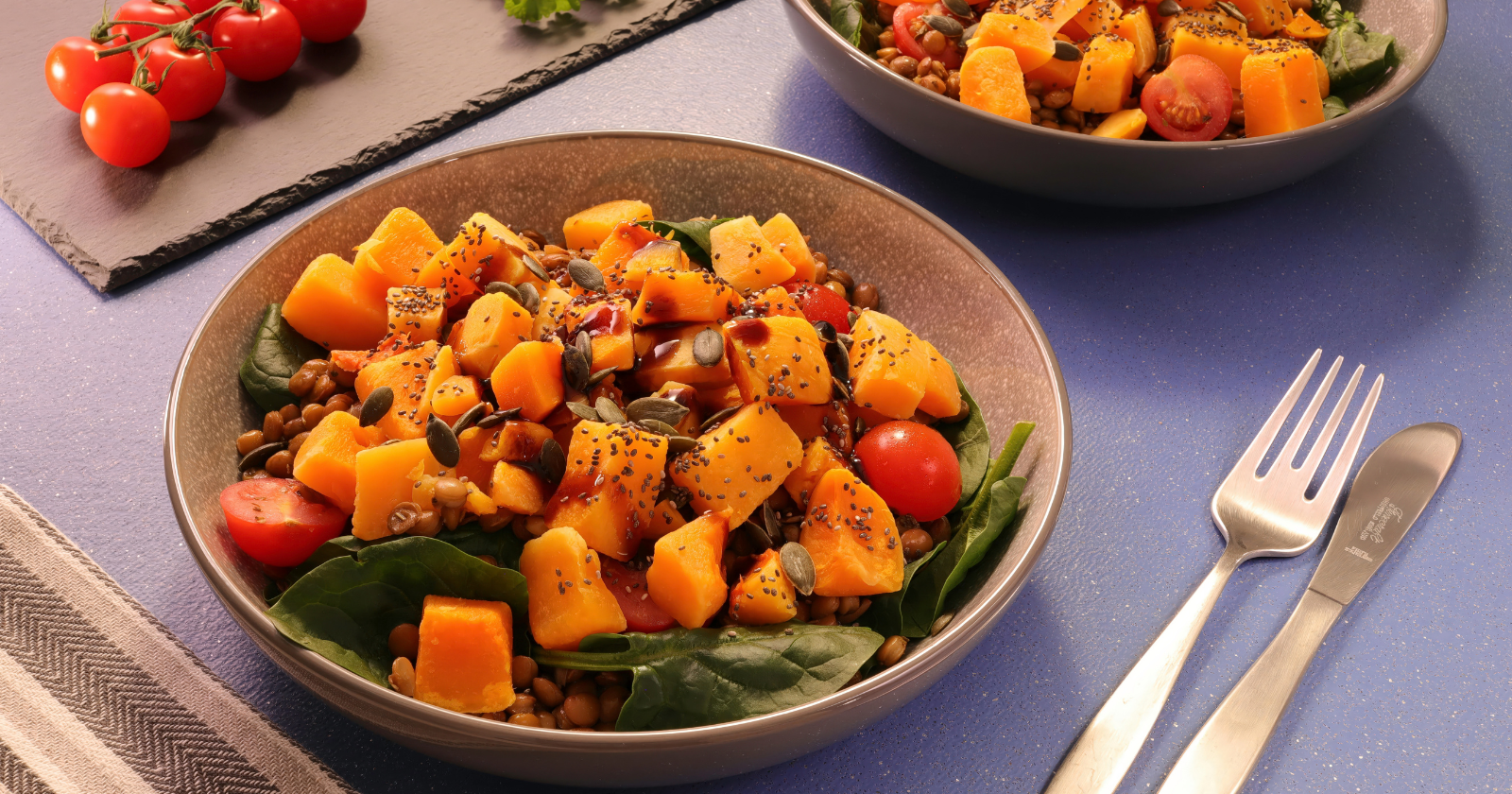
The mango and black bean salad I make when I want something fresh, filling, and ready in under 15 minutes
Some days hit you at 3 PM with that particular brand of hunger where you need real food, not just a snack, but cooking feels like climbing Everest.
Last week was full of those days. Between deadlines and back-to-back coaching calls from my apartment, I kept finding myself staring into the fridge, wanting something that would actually satisfy me without requiring forty minutes of chopping, sautéing, and cleaning.
That’s when I remembered this salad. It started as an accident, really. I’d bought too many mangoes at the farmers market and had a can of black beans sitting in the pantry. Fifteen minutes later, I had something that made me wonder why I ever complicated lunch in the first place.
The thing about quick meals is that we often sacrifice nutrition or flavor for speed. Not here. This salad delivers on all fronts, and I’ve been making it at least twice a week ever since that first thrown-together version. It’s become my go-to when I need something that won’t leave me hungry an hour later but also won’t derail my entire afternoon with prep and cleanup.
Why this combination works so perfectly
There’s actual science behind why mango and black beans taste so good together. The sweetness of ripe mango plays against the earthiness of black beans in a way that keeps your taste buds interested. Add some lime juice and cilantro, and you’ve got that sweet-savory-acidic balance that makes restaurant food taste like restaurant food.
But beyond taste, this combination is nutritionally brilliant. Black beans bring protein and fiber to keep you full. Mangoes provide vitamin C and natural sugars for quick energy. Together, they create what I call “sustained satisfaction” — that feeling where you’re properly fed, not just temporarily full.
I learned about this balance from studying various cultural food traditions. Street vendors don’t overthink it. They combine beans, fruit, and citrus because it works. It tastes good, fills you up, and doesn’t require a dozen ingredients or special equipment.
The best part? This salad actually improves after sitting for a bit. The flavors meld, the mango juice mingles with the lime dressing, and everything becomes more cohesive. Make it at noon, eat half for lunch, and the rest tastes even better as an afternoon snack or light dinner.
The ridiculously simple ingredient list
Here’s everything you need: one ripe mango, one can of black beans, half a red onion, a handful of cilantro, one jalapeño, two limes, and salt. That’s it. Maybe some olive oil if you’re feeling fancy, but honestly, the mango provides enough moisture that you don’t even need it.
The key is using a properly ripe mango. It should give slightly when you press it, like a ripe avocado. Too firm and you lose that tropical sweetness. Too soft and it turns mushy when you mix everything. If you can smell the mango’s sweetness at the stem end, you’ve got a winner.
For the black beans, I just use canned. Sure, cooking dried beans from scratch tastes marginally better, but we’re talking about a fifteen-minute meal here. Drain them, rinse them well, and they’re perfect. No shame in taking the shortcut that makes this meal actually happen versus the ideal version that stays theoretical.
Red onion brings necessary sharpness and crunch. If raw onion overwhelms you, here’s a trick: after dicing, soak the pieces in cold water for five minutes while you prep everything else. Drains out some of the bite while keeping the crunch.
How to put it together without overthinking
Start with the mango. Score it lengthwise on either side of the pit, then crosshatch the flesh and turn it inside out. The cubes pop right off with a quick slice of your knife. Takes thirty seconds once you get the hang of it.
While you’re at it, dice that half onion and mince the jalapeño. Remove the seeds if you want less heat, keep them if you like things spicy. I usually go half and half, removing some seeds but leaving others for little surprise pockets of heat.
Drain and rinse your black beans until the water runs clear. This removes the canning liquid that can make things taste tinny. Give them a good shake in the colander to get rid of excess water.
Now just throw everything in a bowl. Mango, beans, onion, jalapeño. Squeeze both limes over the top, add a generous pinch of salt, and toss. Taste and adjust. Maybe it needs more lime, maybe more salt. Trust your palate.
Rough chop the cilantro and fold it in at the end. Stems and all if you’re feeling efficient. They’re full of flavor and add nice texture.
Making it your own without complicating things
This base recipe is endlessly adaptable. Sometimes I add diced avocado when I have one that needs using. Cherry tomatoes work great when they’re in season. A handful of corn kernels, fresh or frozen, adds sweetness and texture.
For crunch, toasted pepitas or crushed tortilla chips on top transform it into something restaurant-worthy. A crumbled cotija cheese takes it in a more traditional Mexican direction if you eat dairy.
The dressing can evolve too. A spoonful of honey mixed with the lime juice adds complexity. A dash of cumin or smoked paprika changes the whole flavor profile. Sometimes I add a tablespoon of apple cider vinegar for extra tang.
But here’s the thing about additions: each one adds time and complexity. The beauty of this salad is its simplicity. Before adding anything, ask yourself if it really improves things or if you’re just complicating for the sake of it.
When and how to serve it for maximum impact
This salad works anywhere from breakfast to dinner. Seriously. I’ve topped it with a fried egg for breakfast, stuffed it in a wrap for lunch, and served it alongside grilled vegetables for dinner. It’s that versatile.
For work-from-home days, I make a double batch on Monday and eat it throughout the week. It keeps for three to four days in the fridge, though the mango softens slightly over time. Store it in a glass container if possible. Plastic tends to hold onto the onion smell.
If you’re bringing it to a potluck or picnic, it travels beautifully. No mayo to worry about, no wilting lettuce. It actually benefits from sitting at room temperature for a bit before serving.
For a complete meal, serve it over quinoa or brown rice. Or use it as a topping for baked sweet potatoes. My favorite quick dinner is this salad stuffed into warm corn tortillas with a dollop of Greek yogurt.
The mindset shift that makes simple cooking sustainable
Here’s what I’ve learned about sustainable home cooking: the best meals aren’t the most complex ones. They’re the ones you actually make.
This salad embodies that philosophy. It requires no special skills, no exotic ingredients, no perfect timing. You can make it while slightly distracted, with a knife that needs sharpening, in a kitchen with limited counter space.
Every time I make this, I’m reminded that good food doesn’t require suffering. You don’t need to earn your meal through complicated preparation. Sometimes the simplest combination of fresh ingredients is exactly what your body and mind need.
There’s something meditative about the repetitive chopping, the bright colors coming together in the bowl, the immediate reward of something delicious that you created in minutes. It’s cooking as self-care, not performance.
Final thoughts on keeping it real in the kitchen
This mango and black bean salad has become more than just a quick lunch option for me. It represents a approach to cooking that prioritizes nourishment and enjoyment over complexity and perfection.
Make it once and you’ll understand why I keep coming back to it. It’s the kind of recipe that seems almost too simple to write about, but that’s exactly why it needs sharing. We need more fifteen-minute meals that actually deliver on flavor and nutrition.
Next time you’re staring into your fridge, overwhelmed by the prospect of cooking, remember this salad. Grab a mango, open that can of beans, and give yourself permission to keep things simple. Your future self, the one enjoying a satisfying meal fifteen minutes later, will thank you.