
5 vegetarian noodle dishes from across Asia that are genuinely easy to make at home — different flavour profiles, nothing that tastes the same twice
The same pasta with marinara sauce gets old after the third night. I get it. You want to eat more vegetarian meals, but you’re stuck in a flavor rut, cycling through the same handful of dishes. Your taste buds are bored, and takeout menus keep calling your name.
Here’s the thing: Asian noodle dishes offer an entire universe of flavors that most home cooks never explore. Sweet, sour, spicy, umami, nutty, fresh. These dishes wake up different parts of your palate every single time. And despite what you might think after watching street food videos or restaurant kitchens, many of these dishes are surprisingly simple to pull off at home.
I learned this firsthand during a trip through Southeast Asia. Street vendors would assemble complex-tasting bowls in minutes using just a handful of ingredients and basic techniques. No special equipment. No culinary degree. Just smart combinations and a bit of confidence.
These five dishes come from different corners of Asia, each with its own distinct personality. None require obscure ingredients you’ll use once and forget about. Everything you need is available at most supermarkets or a quick online order away.
1) Japanese mazesoba (brothless ramen)
Mazesoba changed how I think about noodles. No soup, just thick chewy noodles tossed with a punchy sauce that coats every strand. The magic happens when you mix everything together at the table, creating your own perfect bite.
Start with fresh ramen noodles from the refrigerated section of your Asian grocery store. While they cook, whisk together soy sauce, sesame oil, rice vinegar, and a spoonful of miso paste. That’s your base. Grate some garlic and ginger directly into the bowl.
The toppings make this dish sing. Soft-boiled eggs with jammy yolks, crispy nori sheets torn into pieces, sliced green onions, and a sprinkle of sesame seeds. Add corn kernels if you want sweetness. Throw in some blanched spinach for color and nutrition.
The key is working fast once the noodles are done. Drain them well, dump them straight into your sauce bowl, and toss like your life depends on it. The residual heat warms everything through. Each person gets their own bowl to mix and customize.
This dish teaches you about balance. Too much soy sauce and it’s overwhelming. Not enough sesame oil and it lacks richness. You learn to trust your taste and adjust on the fly.
2) Thai pad see ew
Pad See Ew might be the most forgiving stir-fry noodle dish you’ll ever make. Wide rice noodles, dark soy sauce for color and sweetness, regular soy for salt, and Chinese broccoli for crunch. That’s basically it.
The secret weapon here is dark sweet soy sauce, sometimes labeled kecap manis. It gives the dish its signature charred sweetness without any actual charring required. Mix it with regular soy sauce, a splash of vinegar, and a pinch of sugar for your sauce.
Soak your wide rice noodles in warm water until they’re pliable but still firm. They’ll finish cooking in the pan. Heat your wok or largest skillet until it’s smoking. Add oil, then your sauce, then noodles. Keep everything moving.
Chinese broccoli goes in last, just until it wilts. If you can’t find it, regular broccoli works fine. So does bok choy or even kale. The vegetable is there for texture contrast against those silky noodles.
This dish builds wok hei flavor without an actual wok burner. High heat, constant movement, and confidence in your timing. It’s ready in under ten minutes once you start cooking.
3) Vietnamese bun chay (vermicelli salad bowl)
Cold noodle salads don’t get enough love. This Vietnamese bowl proves they should. Rice vermicelli noodles, fresh herbs, crunchy vegetables, and tangy-sweet dressing. It’s basically summer in a bowl.
Cook your vermicelli according to package directions, then rinse under cold water until completely cool. This stops the cooking and prevents mushiness. Toss them with a tiny bit of oil to prevent sticking.
The dressing combines lime juice, sugar, rice vinegar, and soy sauce. Some people add chili. I like mine with grated ginger for extra zing. Make it ahead and let the flavors meld.
Load your bowl with intention. Noodles on the bottom. Shredded lettuce, julienned carrots, sliced cucumbers, bean sprouts if you’ve got them. Fresh herbs aren’t optional here. Mint, cilantro, and Thai basil transform this from a salad into something special.
Top with fried tofu or spring rolls if you want protein. Crushed peanuts add richness. Pour the dressing over everything just before eating and toss at the table.
This bowl embodies the Buddhist concept of balance I’ve been studying. Every element has its place and purpose. Nothing dominates, everything contributes.
4) Singaporean mee goreng
Mee Goreng brings the heat and complexity. This Indian-influenced Malaysian-Singaporean creation uses ketchup as a secret ingredient. Trust the process.
Fresh yellow noodles work best, but dried work too. The sauce combines ketchup, soy sauce, sriracha, and a squeeze of lime. Sounds weird, tastes incredible. The ketchup adds sweetness and helps everything cling to the noodles.
Prep your vegetables first. Cabbage, bean sprouts, tomatoes cut into wedges. Firm tofu, pressed and cubed. Everything cooks fast once you start.
High heat again. Oil in the pan, add your harder vegetables first. Then tofu. Then noodles and sauce. Keep tossing. Add bean sprouts at the very end so they stay crunchy.
Garnish with fried shallots if you’ve got them. Lime wedges on the side are mandatory. The acidity cuts through the richness and brightens everything up.
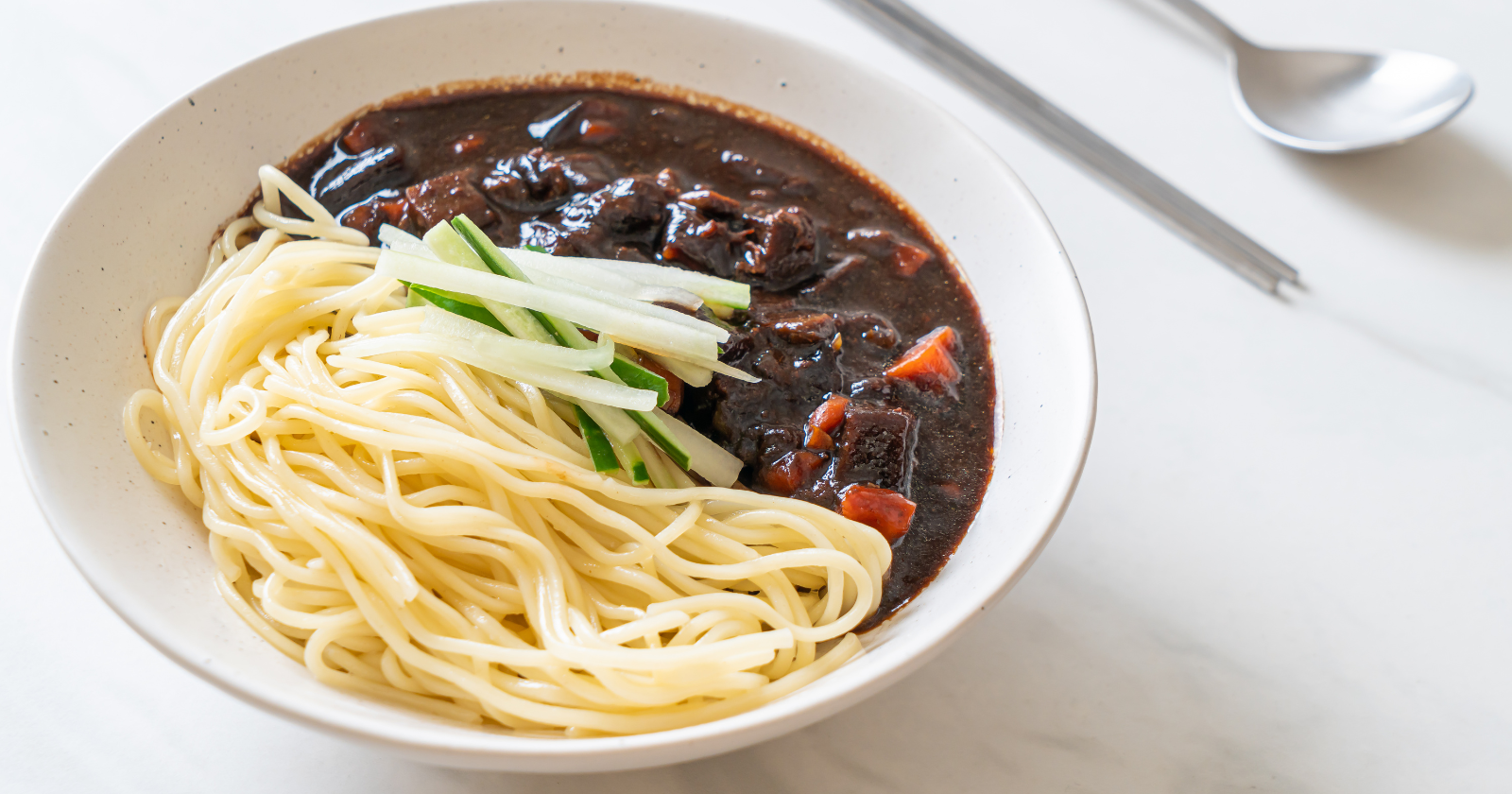
5) Korean jajangmyeon (black bean noodles)
Jajangmyeon looks dramatic with its jet-black sauce, but it’s surprisingly mild and savory. The fermented black bean paste does all the heavy lifting flavor-wise.
Find chunjang (Korean black bean paste) at any Korean market. Fry it in oil first to mellow its intensity. Add diced onions, zucchini, and potatoes. The vegetables should be cut uniformly so they cook evenly.
Make a slurry with cornstarch and water. This thickens your sauce to the perfect consistency for coating noodles. Too thin and it slides off. Too thick and it’s gluey.
Use fresh udon noodles or the thick jajangmyeon noodles if you can find them. The chewiness is part of the experience. Cook them while your sauce simmers, then combine everything in the pan for a minute to let the noodles absorb some sauce.
Serve with pickled radish and raw onions on the side. Sounds strange, but the sharp, acidic crunch balances the rich, sweet sauce perfectly.
Your noodle journey starts now
These five dishes prove that vegetarian cooking doesn’t mean sacrificing flavor or variety. Each one activates different taste receptors and satisfies different cravings. Master these and you’ll never complain about boring vegetarian meals again.
Start with whichever dish calls to you. Maybe it’s the simplicity of mazesoba or the freshness of bun chay. Don’t stress about perfection on your first attempt. These dishes evolved in home kitchens and street stalls, not Michelin-starred restaurants.
The real growth happens when you stop following recipes exactly and start trusting your palate. Add more lime if you like things sour. Double the chili if you want heat. Make it yours.
Stock your pantry with the basics like soy sauce, sesame oil, rice vinegar, and sriracha. Grab noodles when you see them on sale. Keep your vegetable drawer full. With these foundations, you’re always twenty minutes away from something incredible.
Your taste buds will thank you. Your dinner guests will be impressed. And you’ll finally break free from that pasta-and-marinara prison you’ve built for yourself.