
How to make a vegetarian gnocchi that’s light, pillowy, and nothing like the dense version most people have given up on
I was wandering through a farmers market in Brooklyn when I watched a vendor demonstrate gnocchi-making at her stand. She didn’t have a pot of water on the stove. She had potatoes in the oven, skins on, baking until they were completely dry and fluffy inside.
Water is the enemy of light gnocchi. Boiling introduces moisture that you’ll compensate for with extra flour, and extra flour means dense dumplings. Bake your potatoes at 400°F for about 50 minutes. They’re ready when a knife slides through like butter.
While they’re still hot, cut them open and scoop out the flesh. This is crucial – hot potatoes release steam, which means less moisture in your dough. Pass them through a ricer or food mill. Never use a masher. You want zero lumps, but you don’t want to activate any gluten.
The flour ratio that changes everything
Most recipes tell you to use two cups of flour per pound of potato. That’s way too much. Start with three-quarters of a cup and add more only if absolutely necessary. The dough should barely hold together – it might even seem too soft at first.
I learned this lesson the hard way during a cooking class in my thirties. The instructor kept repeating “morbido, morbido” – soft, soft. My perfectionist brain wanted firm, workable dough. But gnocchi isn’t about control. It’s about restraint.
Spread your riced potatoes on the counter and let them cool for five minutes. Make a well in the center. Add one beaten egg and a teaspoon of salt. Start sprinkling flour over the top, then use a bench scraper to fold everything together. Don’t use your hands yet.
Once it starts coming together, that’s when you can gently knead – and I mean gently. Think of it like folding laundry, not working clay. Ten to twelve folds, maximum. The dough should still feel slightly sticky.
Shaping without the stress
Cut off a piece of dough about the size of a tennis ball. Keep the rest covered with a kitchen towel. Roll it into a rope about as thick as your thumb. Don’t flour the surface – you want a bit of grip.
Cut the rope into three-quarter-inch pieces. Here’s where most people get fancy with forks and ridges. Skip it for now. Those ridges are nice for holding sauce, but they’re also another opportunity to overwork the dough. Master the basic pillow shape first.
If you do want ridges, use the back of a fork and roll each piece down with your thumb in one smooth motion. Don’t press hard. Think of it as a suggestion rather than a command.
Place your shaped gnocchi on a floured baking sheet. Don’t let them touch. You can cook them right away or freeze them for later. Freezing actually helps them hold their shape when cooking.
The cooking method nobody talks about
Everyone says to drop gnocchi into boiling salted water and wait for them to float. That’s only half right. They do float when they’re done, but the water temperature matters more than you think.
A rolling boil is too aggressive. You want a gentle simmer – bubbles breaking the surface but not a violent churning. Drop your gnocchi in batches, about twenty at a time. They’ll sink, then rise in about ninety seconds.
Here’s the trick: once they float, count to ten, then scoop them out with a slotted spoon. Don’t dump them into a colander – that’s too rough. Transfer them directly to your sauce or a bowl with a bit of olive oil.
Sauces that let your gnocchi shine
After all that work, don’t drown your gnocchi in heavy sauce. They need something that complements their delicate texture. Brown butter with sage is classic for a reason. Melt butter until it smells nutty, throw in fresh sage leaves, and toss your gnocchi directly in the pan.
During one of my meditation retreats in the Catskills, the cook made a simple tomato sauce with just crushed tomatoes, garlic, and basil from the garden. She barely cooked it – just warmed it through. That freshness let the gnocchi be the star. Sometimes the best sauce is the simplest one.
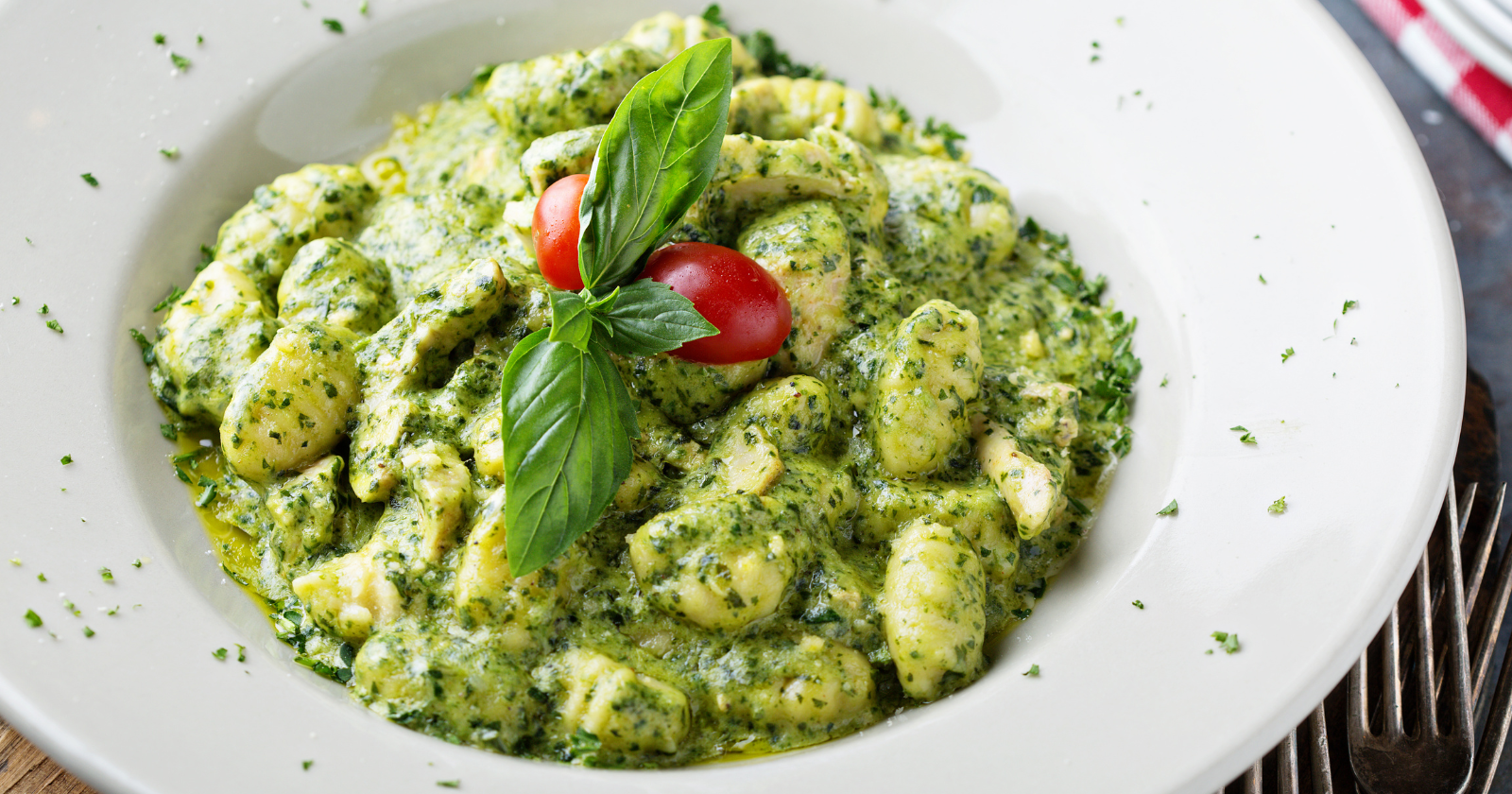
Pesto works beautifully too. Or try tossing them with roasted vegetables and a drizzle of good olive oil. I’ve even served them in a light vegetable broth like a soup. The point is to enhance, not mask.
When things go sideways
Your first batch might not be perfect. Mine certainly wasn’t. If your gnocchi fall apart in the water, you need a touch more flour next time. If they’re dense, you used too much flour or overworked the dough.
The beautiful thing about gnocchi is that even imperfect ones taste good. Think of it as practice, not failure. Each batch teaches you something about texture, about restraint, about the feel of properly made dough.
I keep a notebook in my kitchen where I jot down what worked and what didn’t. Over time, you develop an intuition for the dough. Your hands learn what “right” feels like.
Making this part of your routine
Gnocchi-making has become a moving meditation for me. There’s something deeply satisfying about transforming three simple ingredients into something extraordinary. The repetitive motion of shaping each piece quiets the mind.
I usually make a double batch on Sunday afternoons. Half goes in the freezer for quick weeknight dinners. Having homemade gnocchi ready to go changes your relationship with cooking. It’s not about impressing anyone – it’s about nourishing yourself with something made by your own hands.
Your path to gnocchi mastery
Light, pillowy gnocchi isn’t about following recipes perfectly. It’s about understanding the why behind each step. Dry potatoes, minimal flour, gentle handling – these aren’t rules, they’re principles.
Start with one batch. Pay attention to how the dough feels. Notice how the gnocchi behave in the water. Taste them with just butter and salt before adding any sauce. Once you understand the foundation, you can experiment with sweet potato gnocchi, spinach gnocchi, or even beet gnocchi.
The dense, heavy gnocchi you’ve had before? That’s not real gnocchi. That’s what happens when we try too hard. Real gnocchi requires a lighter touch, both literally and figuratively. Trust the process, trust your hands, and trust that sometimes the best results come from doing less, not more.