
Why cooking with whatever’s in season is the easiest meal planning decision you’ll ever make
Ever stood in front of your fridge at 6 PM, completely stumped about what to make for dinner?
You’re scrolling through recipes on your phone, each one requiring ingredients you don’t have, while that sad bunch of wilting spinach stares back at you from the crisper drawer.
Here’s the thing: we’ve made meal planning way more complicated than it needs to be.
We bookmark elaborate recipes, buy random ingredients that sit unused, and stress about creating Pinterest-worthy meals every night.
Meanwhile, the simplest solution has been right there all along, hiding in plain sight at your local market.
Seasonal cooking isn’t just some trendy food movement.
It’s the way humans ate for thousands of years before we decided strawberries in December were somehow normal.
And once you start cooking this way, you’ll wonder why you ever did anything else.
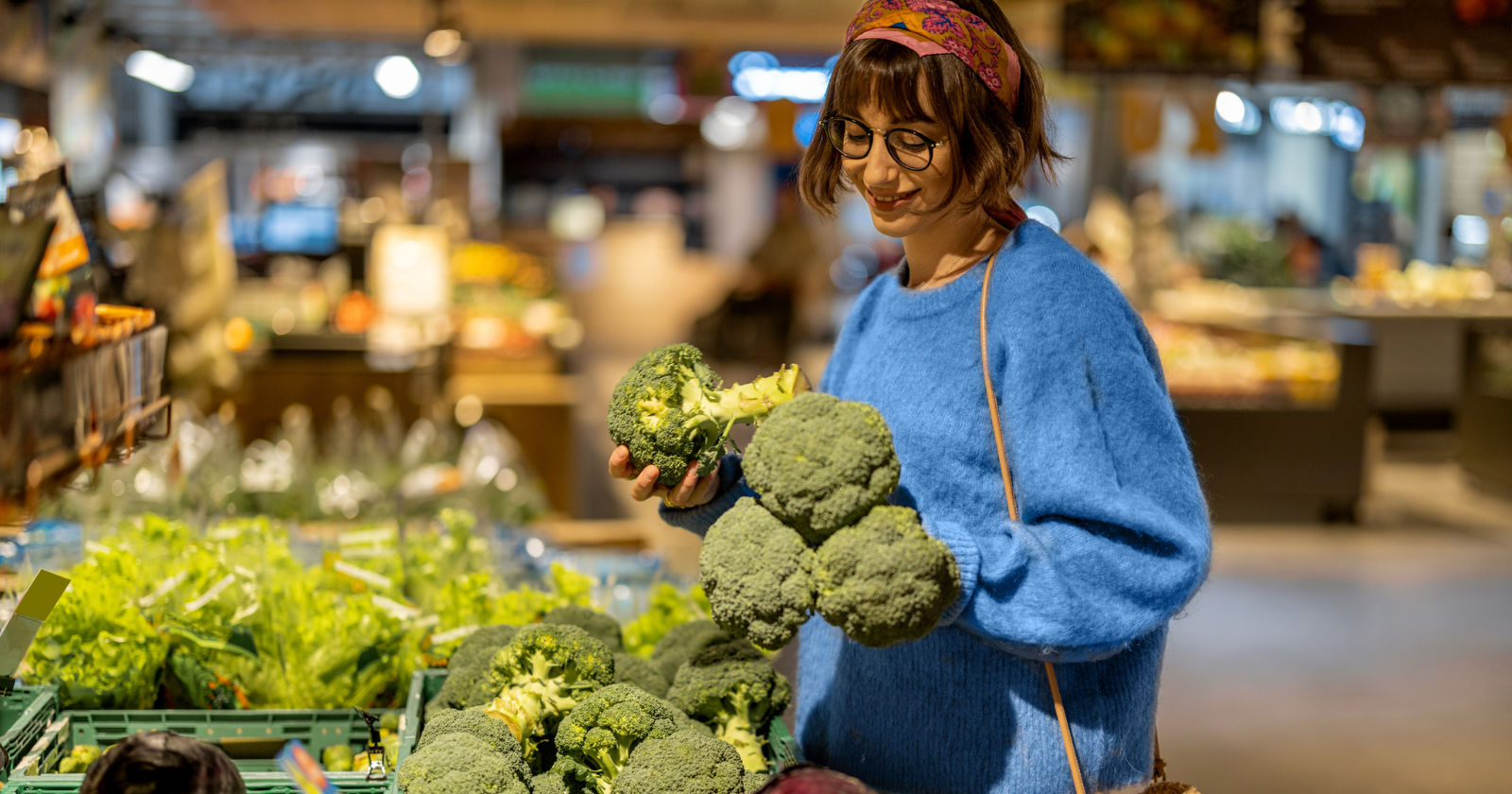
Your grocery store is already doing the planning for you
Walk into any decent produce section right now, and you’ll notice something.
Whatever’s in season is front and center, piled high, and usually on sale.
That’s not coincidence.
That’s your meal plan practically writing itself.
When I started paying attention to this, my whole approach to cooking shifted.
Instead of arriving at the store with a rigid list, I’d walk in and see what looked good.
What was abundant. What was practically begging to be taken home.
Last week, I noticed butternut squash everywhere.
Not just at the grocery store, but at the farmer’s market, even at the corner bodega.
So I grabbed two, roasted them simply with olive oil and sage from my balcony garden, and had the base for three different meals that week.
Soup one night, grain bowl the next, stuffed with quinoa and cranberries for a dinner party on Saturday.
The beauty is that seasonal produce tastes better because it hasn’t traveled thousands of miles to reach you.
Those tomatoes in August? They actually taste like tomatoes.
That asparagus in spring? Tender enough to eat raw.
When ingredients are this good, you don’t need complicated recipes.
Salt, pepper, olive oil, and maybe a squeeze of lemon. Done.
Decisions drain your brain (and seasonal cooking eliminates most of them)
We make about 35,000 decisions every day.
What to wear, which email to answer first, whether to take that call.
By evening, we’re running on empty, which is exactly when we need to figure out dinner.
This is decision fatigue, and it’s real. Every choice depletes your mental energy, even small ones.
Especially small ones, actually.
That’s why Steve Jobs wore the same outfit every day and why meal prep on Sunday became a thing.
But here’s what most productivity gurus miss: you don’t need to batch cook or meal prep if you’re working with what’s seasonal.
The decisions are already made for you.
October? You’re working with squash, apples, and root vegetables.
June? It’s all about tomatoes, zucchini, and stone fruits.
I used to spend my Sunday afternoons prepping meals for the week, thinking I was being efficient.
Now I spend ten minutes at the market on Monday, grabbing whatever’s fresh, and I know exactly what I’m making. The mental load just disappeared.
How nature’s calendar becomes your meal planning system
Think of seasons as nature’s way of rotating your menu.
You get built-in variety without having to think about it.
No more eating the same five dishes on repeat because they’re easy and familiar.
Spring brings peas, asparagus, and early greens. Perfect for light pastas and fresh salads after a heavy winter.
Summer floods the market with tomatoes, peppers, corn, and eggplant. Suddenly you’re making ratatouille, gazpacho, and grilled vegetable platters without even trying.
Fall delivers squashes, apples, pears, and hearty greens. Time for soups, roasted vegetables, and warming stews.
Winter means citrus, cabbages, and stored root vegetables. Think hearty braises, roasted roots, and bright citrus salads to cut through the cold.
The repetition within each season actually helps you master techniques.
Make butternut squash soup three times in a month, and by the third time, you’re improvising, adding ginger one week, coconut milk the next.
You’re building skills without the pressure of learning entirely new dishes every week.
Your wallet will thank you (seriously)
Here’s something nobody talks about enough: seasonal produce is cheap. Really cheap.
When something’s in season locally, farmers have tons of it.
Supply and demand kicks in, and prices drop.
Those greenhouse tomatoes in January? Four dollars a pound, and they taste like cardboard.
Local tomatoes in August? One dollar a pound and they’re perfect.
That’s not just savings.
That’s better food for less money.
I track my grocery spending pretty religiously, and switching to seasonal shopping cut my produce costs by about 40%.
That’s without coupons, without shopping at multiple stores, without any of those extreme couponing tactics.
Just buying what’s abundant when it’s abundant.
Plus, you stop wasting food.
When you’re buying what looks good right now instead of ingredients for some ambitious recipe you might make later, everything gets used.
That aspirational bunch of kale doesn’t die in your crisper because you bought it with a plan.
The mindfulness nobody mentions
There’s something grounding about eating with the seasons.
It connects you to where you are, when you are. It’s a form of mindfulness that doesn’t require meditation apps or special cushions.
During my morning journaling, I’ve started noting what I’m cooking and eating.
It’s become a way to mark time that feels more meaningful than just checking off calendar days.
“The week the first strawberries appeared” means more than “the second week of May.”
When I’m chopping vegetables for dinner, I’m not thinking about tomorrow’s meetings or replaying today’s conversations.
I’m present with what’s in front of me.
The weight of a knife through a sweet potato.
The smell of rosemary from my balcony herb garden.
The sizzle when vegetables hit hot oil.
This isn’t about turning cooking into some sacred ritual.
It’s just about being where you are, doing what you’re doing.
Seasonal cooking makes this easier because you’re working with ingredients at their peak.
They demand a little attention, a little respect.
You can’t phone it in with a perfect peach or the first asparagus of spring.
Start small, start today
You don’t need to overhaul your entire cooking approach overnight.
Start with one seasonal ingredient this week. Just one.
Go to the store without a list. Walk the produce section.
What’s everywhere? What’s on sale? What looks vibrant and alive? Buy that.
Then go home and figure out what to do with it.
Google is your friend here.
Type in the ingredient plus “simple recipe” and pick the first thing that doesn’t require special equipment or ingredients you don’t have.
This is how confidence builds in the kitchen.
Not through complicated techniques or expensive equipment, but through repetition with good ingredients.
Cook zucchini five different ways over a summer, and by September, you won’t need recipes anymore.
This changes everything else too
Once you start cooking seasonally, something shifts.
You begin noticing cycles and patterns everywhere. Your energy levels. Your moods. Your productivity.
You realize that maybe you’re not supposed to maintain the same pace year-round.
Maybe it’s okay to slow down in winter, to match the rhythm of shorter days and longer nights.
Maybe that burst of energy in spring isn’t random but part of something bigger.
Seasonal eating becomes a gateway to seasonal living.
You stop fighting against natural rhythms and start working with them.
Your meals become more satisfying, your cooking becomes more intuitive, and your relationship with food becomes less complicated.
The best part? This isn’t another thing to add to your already overwhelming list of healthy habits to maintain.
It’s actually a simplification.
A removal of decisions, stress, and complications around one of the most basic human needs.
The easiest decision is no decision at all
Next time you’re standing in that produce section, overwhelmed by choices and possibilities, remember this: the season has already decided for you.
Those piles of squash, those bins of apples, those mountains of tomatoes. That’s your menu.
Stop fighting the natural rhythm of things.
Stop trying to impose your will on ingredients that don’t want to cooperate.
Let the season guide you, and watch how much easier everything becomes.
Your meals will taste better, cost less, and require less mental energy to plan.
This isn’t about becoming some local-only, farmer’s market devotee.
It’s about making your life easier while eating better food.
It’s about removing unnecessary decisions from your day. I
t’s about working with nature instead of against it.
The easiest meal planning decision you’ll ever make is to stop making so many decisions.
Let the season choose.
You just cook.